Modern enterprise workloads require powerful server infrastructure capable of handling increasing amounts of data, applications, and computing demands. Standard memory configurations may not provide enough capacity for businesses managing virtualization, analytics, databases, and advanced computing environments.
A high-capacity dell server 512gb ram configuration provides additional resources that help Dell PowerEdge servers manage demanding workloads more efficiently. Selecting the right memory architecture, DIMM type, and capacity ensures better performance, reliability, and scalability for enterprise environments.
Understanding the Need for High-Capacity Server Memory
High-capacity server memory plays a critical role in supporting modern IT infrastructure. As applications become more resource intensive, businesses require servers that can process larger workloads while maintaining consistent performance.
How Large Memory Configurations Support Modern Enterprise Infrastructure
Large memory configurations allow servers to handle more active workloads by providing additional resources for applications and services.
With higher memory capacity, enterprise servers can process more operations simultaneously while reducing resource limitations. This improves overall infrastructure efficiency and allows businesses to support complex computing requirements.
The Role of RAM in High-Performance Computing Environments
RAM is a key component in high-performance computing environments because it provides fast access to frequently used data.
Adequate memory capacity allows processors to access information quickly, improving application performance and reducing processing delays. High-performance workloads depend on efficient memory availability to maintain reliable operations.
Why Businesses Move Beyond Standard Server Memory Capacity
As workloads expand, standard memory configurations may become insufficient for modern business requirements.
Organizations move toward higher capacity configurations to support larger applications, advanced virtualization environments, and data-intensive operations. Increasing memory capacity provides greater flexibility and helps prepare infrastructure for future growth.
Benefits of Dell Server 512GB RAM Configurations
A 512GB RAM configuration provides significant advantages for enterprises that require additional computing resources. It helps improve application performance, support complex workloads, and optimize server efficiency.
Improving Performance for Resource-Intensive Applications
Resource-intensive applications require sufficient memory to operate effectively. Additional RAM allows applications to access required resources faster and maintain consistent performance.
A Dell PowerEdge server with 512GB RAM can support demanding workloads by reducing memory limitations and improving overall responsiveness.
Supporting Large-Scale Data Processing and Analytics
Data processing and analytics platforms often require substantial memory capacity to manage large datasets efficiently.
Higher memory availability allows servers to process information more effectively while improving workload management. This helps organizations maintain better performance when handling complex data operations.
Enhancing Server Efficiency With Increased Memory Availability
Additional memory improves how server resources are distributed across applications and services.
When sufficient RAM is available, servers experience fewer resource constraints and can operate more efficiently. This improves infrastructure utilization while supporting stable performance across enterprise workloads.
When Businesses Should Consider Dell PowerEdge 512GB Memory
Choosing a 512GB memory configuration depends on workload requirements, application demands, and future scalability needs. Businesses should evaluate their infrastructure requirements before upgrading server memory.
Running Multiple Virtual Machines and Cloud Environments
Virtualization platforms depend heavily on available memory because multiple virtual machines share physical server resources.
A higher memory configuration allows administrators to allocate sufficient resources to virtual machines while maintaining better workload distribution. This improves virtualization efficiency and supports larger virtualized environments.
Managing Large Database Memory Requirements
Databases often require significant memory resources to improve processing efficiency and maintain consistent performance.
Additional RAM allows databases to handle larger workloads while reducing performance limitations caused by insufficient memory availability.
Supporting AI and Machine Learning Server Workloads
Artificial intelligence and machine learning workloads require substantial computing resources, including high-capacity memory configurations.
A 512GB RAM setup provides additional resources for applications that process large datasets and require efficient memory management.
Dell Server 512GB RAM for Enterprise Workload Optimization
Optimizing enterprise workloads requires careful planning of available server resources. High-capacity memory configurations help businesses improve performance, reduce limitations, and create a more scalable infrastructure.
Improving Application Response Times With More Memory
Applications perform more efficiently when sufficient memory resources are available.
Additional RAM allows applications to access required data faster, reducing delays and improving responsiveness. This helps maintain consistent performance across different enterprise workloads. Businesses looking for reliable enterprise memory solutions can explore RAM Exchange for compatible Dell server memory options designed to support high-performance PowerEdge environments.
Reducing Storage Dependency Through Memory Expansion
When servers have adequate memory capacity, they can store more active data in RAM instead of relying heavily on storage resources.
Reducing storage dependency improves processing efficiency because memory provides faster access compared to traditional storage systems.
Increasing Infrastructure Scalability for Future Growth
A scalable memory configuration helps businesses prepare for increasing workload demands.
By investing in higher memory capacity, organizations can expand applications, support additional services, and improve infrastructure flexibility without immediate hardware replacement.
Choosing the Right Dell PowerEdge 512GB Memory Configuration
Selecting the correct memory configuration requires careful evaluation of server specifications, workload requirements, and future expansion plans.
Understanding Compatible Dell Server Models
Different Dell PowerEdge server models support different memory capacities, DIMM types, and configurations.
Before upgrading, businesses should verify server compatibility to ensure that the selected memory modules work correctly with the existing hardware architecture.
Selecting the Right DIMM Type, Speed, and Capacity
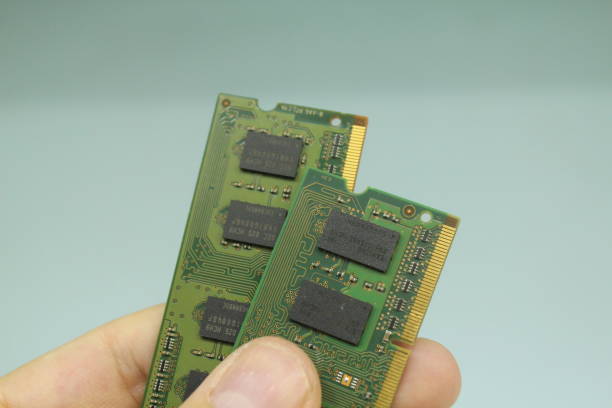
Enterprise servers commonly use memory technologies such as RDIMM and LRDIMM depending on capacity requirements.
Memory speed, rank, capacity, and DIMM type should match server specifications to maintain reliable performance and compatibility.
Considering ECC Memory Requirements for Enterprise Reliability
ECC memory is essential for enterprise environments because it helps detect and correct certain memory errors.
Using ECC memory improves data accuracy and system stability, making it suitable for servers that support critical business applications.
High-Performance Computing RAM Requirements for Modern Businesses
High-performance computing environments require optimized memory configurations to support complex workloads. Proper memory planning improves efficiency and ensures servers can handle demanding applications.
Memory Demands of Scientific Computing and Data Analysis
Scientific computing and data analysis workloads require significant memory resources to process large datasets efficiently.
High-capacity RAM configurations provide additional resources for complex calculations and data processing operations.
Supporting AI Server Workloads With Adequate Memory Capacity
AI workloads depend on efficient data processing and fast access to information.
Adequate memory capacity helps AI systems manage resource-intensive tasks while improving overall computing efficiency.
Optimizing Memory Architecture for Maximum Performance
Optimized memory architecture ensures that servers achieve better performance through balanced configurations.
Factors such as memory channels, DIMM placement, and supported technologies should be considered when deploying high-capacity memory.
Planning a Dell Server 512GB RAM Upgrade
A successful memory upgrade requires proper evaluation of existing infrastructure and future workload requirements.
Evaluating Current Server Memory Usage
Reviewing current memory utilization helps determine whether additional capacity is required.
Understanding workload patterns allows businesses to select an appropriate memory configuration based on actual resource needs.
Checking Processor and Motherboard Memory Support
Processor and motherboard specifications determine supported memory capacity and configuration options.
Verifying hardware compatibility before upgrading helps avoid installation issues and performance limitations.
Balancing Performance Goals With Upgrade Costs
Businesses should consider performance requirements, scalability needs, and budget limitations when selecting memory upgrades.
A balanced approach ensures that organizations receive the required performance improvements while maximizing infrastructure value.
Best Practices for Deploying High-Capacity Server Memory
Deploying high-capacity memory requires proper planning and installation practices to ensure Dell PowerEdge servers operate efficiently. Following recommended guidelines helps maintain system stability, improve performance, and reduce compatibility concerns.
Following Dell PowerEdge Memory Population Guidelines
Dell PowerEdge servers follow specific memory population rules based on processor architecture, DIMM configuration, and motherboard design.
Installing memory modules according to recommended guidelines ensures that memory channels operate correctly. Proper placement helps maximize bandwidth and allows the server to utilize the installed capacity effectively.
Maintaining Balanced Memory Channel Configuration
Balanced memory channels improve overall server performance by allowing efficient communication between processors and memory modules.
Using matching memory modules with similar specifications helps maintain consistent performance. Memory capacity, speed, rank, and DIMM type should be considered when creating a balanced configuration.
Monitoring Performance After Memory Expansion
After installing additional memory, monitoring server performance helps confirm that the upgrade is delivering the expected benefits.
Administrators should verify memory recognition, review resource utilization, and analyze workload performance. Regular monitoring helps identify future resource requirements and supports proactive infrastructure management.
Common Mistakes When Installing 512GB Server Memory
High-capacity memory upgrades require careful consideration of compatibility and system requirements. Avoiding common mistakes helps prevent performance issues and ensures successful deployment.
Choosing Incompatible RAM Modules
Selecting memory modules that do not match server specifications can create compatibility problems.
Memory generation, DIMM type, speed, capacity, and ECC support should always be verified before installation. Using unsupported modules may prevent the server from recognizing the memory or reduce system stability.
Ignoring Server Generation and Hardware Limitations
Different Dell PowerEdge generations support different memory technologies and maximum capacities.
Ignoring server limitations can result in incorrect configurations that do not provide the expected performance improvements. Reviewing processor and motherboard specifications helps ensure the selected memory configuration is supported.
Overlooking Future Memory Expansion Needs
Memory planning should consider future workload requirements rather than focusing only on current needs.
Selecting a scalable configuration provides flexibility for future upgrades and helps organizations avoid replacing memory modules unnecessarily as resource requirements increase.
Why Choose RAM Exchange for Dell Server Memory Upgrades
Selecting a trusted memory provider helps businesses find suitable solutions for their Dell PowerEdge infrastructure. Enterprise environments require reliable memory options that support demanding workloads and long term performance requirements.
Working with an experienced supplier simplifies memory selection and helps ensure compatibility with existing server hardware.
Access to Reliable Dell Server 512GB RAM Solutions
RAM Exchange provides enterprise memory solutions designed to support Dell server environments. Their memory options help businesses identify suitable configurations based on server requirements, performance goals, and workload demands.
Compatible Memory Options for Enterprise PowerEdge Systems
Compatibility is essential when upgrading Dell PowerEdge servers. RAM Exchange offers memory solutions designed to meet enterprise server requirements and support different PowerEdge configurations.
Selecting compatible memory helps maintain system reliability while improving performance for resource-intensive applications.
Expert Support for High-Performance Infrastructure Planning
Planning a high-capacity memory upgrade requires understanding server architecture, workload requirements, and future scalability needs.
RAM Exchange provides support to help organizations select appropriate memory configurations while reducing the risk of compatibility issues.
For additional guidance on improving server performance through proper memory planning, businesses can explore this Dell Server RAM Upgrade Checklist to understand important upgrade considerations.
Conclusion
A Dell server 512GB RAM configuration provides businesses with the memory capacity required for advanced enterprise workloads, virtualization environments, databases, analytics platforms, and high-performance computing applications.
Selecting the correct memory configuration requires careful evaluation of server compatibility, DIMM specifications, ECC requirements, and future expansion plans. Proper installation practices and balanced memory architecture help ensure reliable performance and efficient resource utilization.
High-capacity memory upgrades allow organizations to improve infrastructure scalability, support growing applications, and maximize the value of existing Dell PowerEdge systems.
For assistance selecting compatible Dell server memory solutions, businesses can contact RAM Exchange for expert guidance and enterprise memory support.
FAQs
1. Why would a business need a Dell server 512GB RAM configuration?
A 512GB RAM configuration is suitable for businesses running demanding workloads such as virtualization, large databases, analytics, AI applications, and resource-intensive enterprise systems. It provides additional memory capacity to improve performance and scalability.
2. Is 512GB RAM supported by every Dell PowerEdge server?
No. Support depends on the specific PowerEdge model, processor generation, motherboard architecture, and supported DIMM configurations. Server specifications should be reviewed before selecting a high-capacity memory upgrade.
3. What type of memory is used for Dell PowerEdge 512GB RAM configurations?
Dell PowerEdge servers typically use enterprise memory technologies such as ECC RDIMMs or LRDIMMs depending on the server model and workload requirements.
4. How does 512GB RAM improve virtualization performance?
Higher memory capacity allows more virtual machines to receive adequate resources, improves workload distribution, and helps maintain stable performance across virtualized environments.
5. What should be checked before upgrading a Dell server to 512GB RAM?
Before upgrading, businesses should check server model compatibility, processor support, DIMM type, memory speed, ECC requirements, available slots, and future expansion needs.