RAM pricing is once again becoming a major concern for IT buyers and procurement teams across the United States. Enterprise organizations are facing higher quotes, tighter supply, and more aggressive contract terms than they experienced just a year ago. This shift is not random. It is the result of measurable changes in global DRAM production, demand cycles, and long-term manufacturing strategy.
So why are RAM prices increasing in 2025 and expected to remain elevated into 2026? This blog provides a clear, market-driven explanation. It examines the current DDR4 price trend, the DDR5 price forecast, the ongoing RAM shortage, and the broader DRAM market trends shaping purchasing decisions for U.S. enterprises. The goal is to give procurement teams practical pricing education, not speculation, so they can plan budgets and sourcing strategies with greater confidence.
As an established U.S. memory supplier, Ram Exchange continuously monitors global supply conditions, wafer allocation patterns, and enterprise demand signals. These Ram Exchange insights help buyers make informed decisions in a volatile market.
The Cost Drivers Behind Rising RAM Prices
Over the last 18 months, the global memory market has shifted dramatically. Multiple factors have converged to push prices higher, affecting both commodity and server-grade DRAM modules:
1. Rapid Growth in AI and Data Center Demand
Demand for memory chips has surged with the expansion of AI and hyperscale data centers. Organizations building high-performance compute clusters require massive quantities of DRAM, especially high-speed DDR5 and high-bandwidth memory (HBM). This segment has absorbed a significant share of wafer capacity, limiting supply available for traditional DDR4 and standard DDR5 modules. Analysts project sharp DRAM price increases in early 2026 due to this imbalance, with contract prices potentially rising well into the year.
2. Supply Chain Capacity Constraints
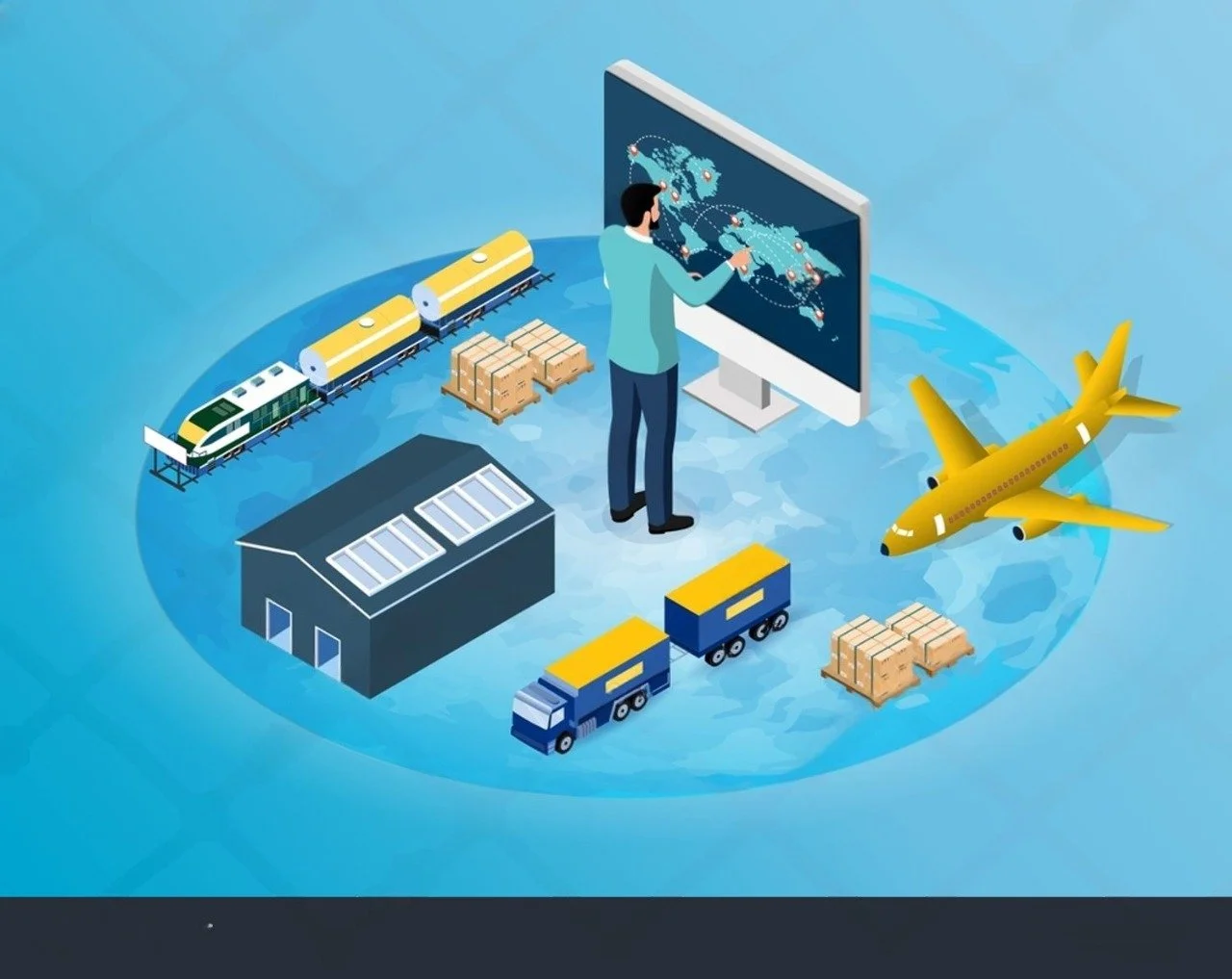
DRAM production involves highly specialized manufacturing facilities with long lead times. Expanding wafer capacity is capital-intensive, and memory makers have historically limited new investments during periods of oversupply earlier in the decade. Meanwhile, major manufacturers have reoriented capacity toward HBM and advanced server memory, leaving consumer and enterprise DRAM supply constrained.
3. Geopolitical and Trade Influences
Global geopolitical dynamics including export controls and trade policy uncertainty have injected additional volatility. DRAM manufacturing is heavily concentrated in East Asia, meaning that supply chain disruptions or policy shifts reverberate globally, creating price pressures.
4. Legacy Product Dynamics
Although newer RAM technologies like DDR5 are gaining adoption, legacy formats such as DDR4 remain widely used in corporate fleets, industrial systems, and servers. As production of DDR4 winds down, limited supply and persistent demand have propelled prices higher even compared with newer memory.
DDR4 Price Trend and DDR5 Price Forecast
Below is a simplified snapshot of broad price movements for DDR4 versus DDR5 memory modules based on industry data from market analysts:
| Metric | Trend | Notes |
|---|---|---|
| DDR4 Price Trend | Increasing sharply | Production cutbacks and legacy demand drive scarcity; some segments up 25–40% year over year. |
| DDR5 Price Forecast | Elevated but stabilizing | Higher production costs and AI demand keep prices above historical averages; some kits near plateau. |
| Server DRAM | Strong upward pressure | Enterprise-grade modules prioritized, contributing to tighter overall supply. |
| Memory Supply Outlook | Tight through 2026 | New fab capacity unlikely before late 2026 or 2027. |
Scenario analyses suggest overall DRAM prices peaking in Q1 2026, with meaningful normalization not expected until late 2027 or early 2028.
Why This Matters for Procurement Teams
-
Budget Planning: With memory prices elevated and forecasted to remain high, procurement teams should plan larger RAM budgets compared with previous years.
-
Inventory Strategy: Early and flexible sourcing including bulk contracts where feasible can help mitigate price risk. Ram Exchange offers a wide range of memory modules for enterprise and resellers.
-
Technology Transition: While DDR5 adoption continues, many buyers still rely on DDR4. Understanding price trends for both standards enables better purchase timing.
RAM Shortage and DRAM Market Trends
The 2024–2026 period has been characterized by a global memory supply shortage that has affected DRAM availability across end markets. Key contributors include:
-
Shift to high-value products: Memory makers prefer producing HBM and high-density DDR5 because of higher margins, reducing wafer allocation for commodity DRAM.
-
Inventory management strategies: Businesses in many sectors have engaged in stockpiling to secure future supply, inadvertently tightening the market further.
-
Capacity lag: New fabrication facilities take years to build and qualify, so short-term supply cannot quickly respond to demand surges.
These dynamics have resulted in a persistent memory shortage that bears directly on price, leading to quoted increases of up to 50–60% or more for some DRAM products.
Practical Procurement Strategies for IT Buyers
To navigate why RAM prices are increasing without crippling your IT budget, procurement teams can take several practical steps.
Forecast memory needs over 12–24 months
-
Align RAM capacity planning with server refresh cycles, virtualization projects, and AI initiatives.
-
Use scenario planning based on current DRAM market trends to test best‑ and worst‑case price paths.
Standardize on DDR5 for new builds
-
Shift new platforms to DDR5 where possible to benefit from better cost per GB trajectories and long‑term availability.
-
Reserve DDR4 purchases for unavoidable legacy systems and buy early to avoid late‑cycle spikes.
Mix new, refurbished, and recertified modules
-
For non mission critical workloads, consider certified used DRAM to stretch budgets while maintaining reliability.
-
Ram Exchange specializes in both new and recertified DRAM, giving procurement teams more levers than “buy or delay.”
Integrate IT asset disposition (ITAD) into your RAM strategy
-
Retire older hardware via secure ITAD services that can recover value from reusable memory modules.
-
Redirect recaptured value toward higher cost DDR5 and AI‑ready configurations, helping offset current price spikes.
Lock in supply through strategic relationships
-
Negotiate framework or blanket agreements for key RAM SKUs with volume and term commitments.
-
Engage suppliers like Ram Exchange early in the budgeting cycle to identify at‑risk parts and alternative options.
Ram Exchange Insights: Turning Volatility into an Advantage
The current environment proves that DRAM is a strategic line item, not an afterthought.
Ram Exchange brings two important advantages for US procurement teams facing rising RAM prices:
-
Deep specialization in DRAM across generations (DDR2, DDR3, DDR4, DDR5) and form factors, including hard to source components that can keep older platforms viable at lower total cost.
-
Integrated ITAD and remarketing services that transform retired memory into budget relief, supporting both environmental and financial goals.
Conclusion: Prepare Now for a Prolonged High‑Price Cycle
RAM prices are increasing in 2025–2026 because of a perfect storm of AI driven demand, DDR5 transition, and disciplined supply strategies from major manufacturers. DDR4’s late‑life scarcity and DDR5’s structural shortfall mean that memory will remain a strategic constraint for IT projects through at least 2026. For IT buyers and procurement teams, the priority is to move from tactical, transaction focused buying to proactive, data driven planning.
Partnering with a specialized memory provider like Ram Exchange can help you mitigate risk, blend new and recertified modules, and time purchases to your advantage rather than reacting to every price spike. To explore options for your environment or request a quote, reach out directly via the contact page.
FAQs
-
Why are RAM prices increasing so fast in 2025–2026?
RAM prices are rising due to surging AI and cloud demand, a rapid shift to DDR5, and controlled supply from major manufacturers, all of which have pushed DRAM into a strong upcycle. -
Is DDR4 going to get cheaper again?
Unlikely in the short term. As manufacturers wind down DDR4 production and focus on DDR5, DDR4 supply is shrinking, which has already triggered sharp price hikes and will keep legacy modules relatively expensive. -
Will DDR5 prices also keep going up?
DDR5 prices are forecast to rise through at least the first half of 2026, especially for server modules, though production growth should eventually stabilize costs as adoption matures later in the cycle. -
How should IT procurement teams respond to RAM shortages?
Procurement teams should forecast needs over 12–24 months, standardize on DDR5 for new builds, buy DDR4 early for legacy systems, and work closely with specialized suppliers to secure key SKUs. -
Can recertified RAM help control costs?
Yes. Certified used or recertified RAM can reduce cost per GB for non critical workloads while maintaining reliability, especially when sourced through a specialist with strong testing and warranty standards. -
When are DRAM prices expected to normalize?
Analysts suggest DRAM prices may peak around Q1 2026 and only gradually normalize from late 2027 into 2028, meaning buyers should plan for a prolonged period of elevated memory costs.