What Is IT Asset Disposition (ITAD) for Memory Hardware?
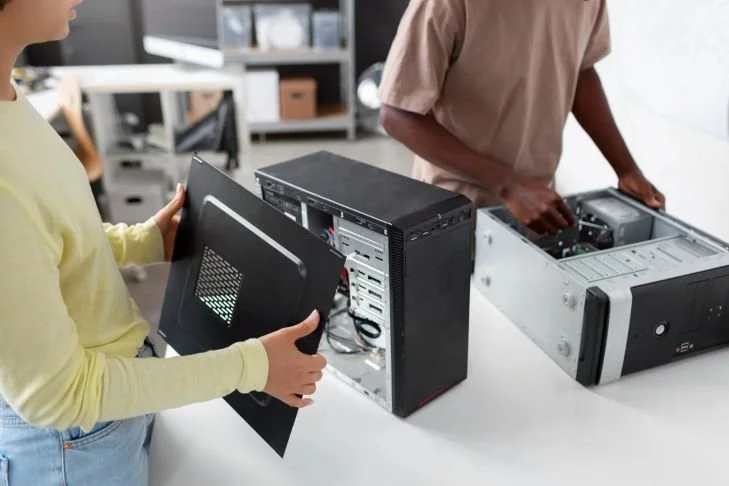
As enterprise infrastructure evolves, IT hardware eventually reaches end of life. Servers are refreshed, storage is upgraded, and memory modules are replaced with higher-density configurations. What happens next is not just an operational question but a compliance issue. This is where ITAD for RAM becomes critical.
IT Asset Disposition, commonly known as ITAD, refers to the secure, compliant, and environmentally responsible process of retiring IT equipment. While much attention is given to storage drives and servers, memory modules also require structured disposition planning. For organizations seeking professional support, Ram Exchange ITAD services help enterprises manage memory hardware lifecycle transitions securely and efficiently.
This guide explains ITAD for RAM from a compliance perspective, outlining regulatory considerations, risk management, and best practices for U.S. enterprises.
What Is IT Asset Disposition (ITAD) for Memory Hardware?
IT asset disposition is the process of reusing, recycling, repurposing, or safely disposing of unwanted IT equipment, such as servers, storage, and components like processors and memory modules. Applied specifically to memory hardware, ITAD for RAM refers to the end to end lifecycle handling of RAM modules once they are removed from service, including collection, testing, possible resale or reuse, and final recycling when necessary.
Key objectives of ITAD for RAM include:
Ensuring devices associated with RAM (like servers and workstations) are decommissioned in a way that protects data.
Maximizing reuse and recovery value by testing and remarketing working RAM modules.
Complying with environmental regulations by recycling non reusable modules through certified processes.
Maintaining audit ready records and chain of custody documentation for all assets processed.
In other words, memory asset disposition takes RAM out of an ad HOC “box in the storeroom” approach and places it into a structured, compliant lifecycle.
Why RAM Needs Formal ITAD, Even Without Persistent Data
A common misconception is that RAM does not need formal ITAD treatment because it is volatile memory. Compliance teams should look beyond the narrow question of persistent data.
RAM is part of regulated IT equipment
Enterprise ITAD guidance treats memory modules as reusable components within larger assets like servers, which must be handled under data security and environmental rules.
Data security still matters at the device level
While RAM itself does not usually hold user data after power down, the servers and systems it came from do, and ITAD providers must show that data sanitization followed standards like NIST SP 800‑88 for storage media.
Chain of custody documentation covers the entire asset, including any attached components such as memory modules.
Environmental and e waste regulations apply
US and state level e waste regulations and international standards (such as R2v3 and RIOS) apply to electronic components that contain metals and other materials needing controlled recycling.
Reuse and sustainability goals
ITAD for RAM helps organizations demonstrate that they are reusing components where possible and responsibly recycling what cannot be reused, which supports ESG and corporate responsibility reporting.
So, even if memory does not raise the same data erasure concerns as a disk, it is still in scope for compliance focused ITAD policies.
Core Components of ITAD for RAM
A robust ITAD for RAM process aligns with broader enterprise ITAD practices but pays attention to memory specific steps.
1. Asset Inventory and Classification
Compliance programs begin by identifying what assets are being retired and what components they contain.
Document server, workstation, and network devices being decommissioned.
Capture details about installed RAM: type (DDR3, DDR4, DDR5), capacity, speed, form factor, and condition.
Flag RAM modules that are still under vendor contract or subject to specific retention policies.
2. Data Sanitization and System Decommissioning
Although RAM is volatile, associated storage must be sanitized or destroyed following recognized standards.
ITAD providers apply NIST SP 800‑88 data sanitization methods (Clear, Purge, Destroy) to storage media, selecting methods based on risk and device type.
They maintain detailed logs and certificates of destruction to document compliance with legal and internal policy requirements.
RAM modules removed from sanitized devices are then ready for reuse evaluation.
3. Testing, Grading, and Memory Asset Disposition
ITAD for RAM includes specialized steps to determine whether a module is reusable, remarketable, or only suitable for recycling.
Typical grading stages:
Visual inspection for damage or corrosion.
Electrical testing and burn in to verify functionality and stability.
Labeling and cataloging by capacity, speed, and form factor.
Reusable modules can be sold as part of memory asset disposition, while defective ones head to responsible recycling.
4. Environmental Recycling and Certification
Non reusable RAM must be processed through certified recycling channels.
R2v3 and similar standards set requirements for safe processing, worker safety, and downstream material handling.
Compliance teams look for ITAD partners that can demonstrate adherence to responsible recycling standards to reduce environmental and legal risk.
5. Documentation, Reporting, and Chain of Custody
Comprehensive documentation is central to ITAD for RAM.
Detailed asset logs, serial/asset tags, and disposition status at each step.
Certificates of data destruction (for associated storage) and recycling reports for non reusable items.
Chain of custody records that show how equipment moved from the organization to the ITAD provider and final endpoints.
Compliance and Regulatory Considerations
ITAD programs for memory hardware exist within a broader legal and regulatory framework.
Data protection and privacy
ITAD must support compliance with regulations like HIPAA for healthcare, GLBA for financial services, and state privacy laws by ensuring data bearing devices are properly sanitized and documented.
Environmental regulations
US businesses must consider Resource Conservation and Recovery Act (RCRA) rules and state e waste laws that govern how electronic components, including memory modules, are processed and recycled.
International operations may align with global recycling standards, such as R2v3 and RIOS, to maintain consistent practices across regions.
Internal governance and audit readiness
A documented ITAD policy should emphasize asset tracking, documentation at each stage, and reporting for audits, financial tracking, and sustainability efforts.
For compliance teams, ITAD for RAM is not an isolated process but part of the organization’s larger risk management and governance framework.

ITAD for RAM Process Overview
The table below summarizes a typical ITAD process and how memory hardware fits into each stage.
| ITAD stage | RAM specific focus | Compliance considerations |
|---|---|---|
| Asset identification | Identify systems and installed RAM modules. | Maintain accurate inventory and ownership records. |
| Data sanitization | Focus on storage, prepare systems for disassembly. | Follow NIST SP 800‑88, retain certificates. |
| Component extraction | Safely remove RAM, label modules. | Maintain chain of custody and asset mapping. |
| Testing and grading | Functionality tests, classify as reusable or scrap. | Ensure consistent grading criteria and records. |
| Remarketing / reuse | Resell or redeploy working RAM modules. | Document disposition and financial impact. |
| Recycling and final disposal | Recycle non reusable modules via certified recyclers. | Use R2v3 or equivalent certified partners. |
Where Ram Exchange ITAD Services Fit In
While ITAD practices are broadly applicable, Ram Exchange ITAD services focus specifically on memory hardware and related components.
DRAM specialization
Ram Exchange concentrates on DRAM modules from 1 GB up to 128 GB across generations, including legacy and current server memory, which makes them well suited to evaluate and reuse RAM from decommissioned environments.
IT asset disposition for memory
As part of ITAD, Ram Exchange can purchase reusable RAM, test and warrant it for secondary use, and recycle non reusable units responsibly, contributing to both financial recovery and sustainability goals.
Support for compliance teams
By integrating RAM into structured ITAD engagements, Ram Exchange helps organizations demonstrate responsible reuse and recycling of memory hardware as part of their broader IT disposition and ESG programs.
Compliance and IT teams can explore how Ram Exchange ITAD services align with their policies by visiting the Ram Exchange homepage, reviewing the range of supported modules on the products page, and initiating contact via the contact page.
Conclusion: Making ITAD for RAM a First Class Compliance Topic
ITAD for RAM is about more than recovering a few dollars from old modules. It is a structured approach to managing memory hardware at end of life in a way that supports data security, environmental responsibility, and audit ready compliance. By integrating RAM into formal IT asset disposition policies, organizations can reduce e waste, capture reuse value, and show regulators and stakeholders that their lifecycle practices extend beyond storage devices alone.
Ram Exchange helps make this practical by combining memory expertise with ITAD services that test, remarket, and responsibly recycle RAM, while supporting the documentation and reporting needs of compliance teams. To learn how Ram Exchange ITAD services can fit into your next refresh or data center decommissioning project, contact the team through the contact page.
FAQs
What does ITAD for RAM include that standard disposal does not?
ITAD for RAM includes structured inventory, testing, reuse, and certified recycling of memory modules as part of a documented IT asset disposition process, rather than informal storage or simple discard of components.Does RAM store sensitive data that must be wiped?
RAM is volatile and does not retain user data once power is removed, but associated storage must be sanitized using standards like NIST SP 800‑88, and RAM still needs responsible reuse or recycling under ITAD.Which regulations affect ITAD for memory hardware?
ITAD for memory hardware intersects with data protection laws (such as HIPAA or GLBA), environmental regulations like RCRA and state e waste rules, and international standards such as R2v3 and RIOS for responsible recycling.How does ITAD for RAM support sustainability goals?
By maximizing reuse of working modules and recycling non reusable ones through certified facilities, ITAD for RAM reduces e waste, supports circular economy objectives, and provides reporting that feeds ESG and sustainability metrics.What should a compliant ITAD policy say about RAM?
A robust ITAD policy should explicitly include memory hardware in asset inventories, define how RAM is handled during decommissioning, require certified recycling for non reusable modules, and mandate documentation of all disposition actions.How can Ram Exchange support our ITAD program for RAM?
Ram Exchange offers memory focused ITAD services by purchasing reusable RAM, testing and remarketing modules, and responsibly recycling non reusable units, all within structured engagements that support your compliance and reporting needs.