High-Performance RAM Solutions for Virtualization and Cloud Environments
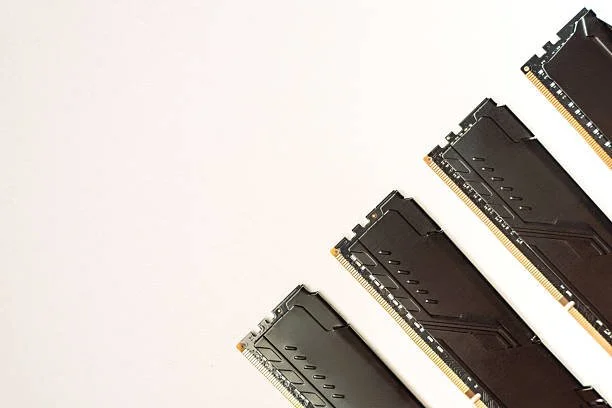
Virtualization and cloud computing have become essential components of modern enterprise IT infrastructure. Organizations increasingly rely on these technologies to improve efficiency, optimize resource utilization, and support business growth. As workloads become more demanding, memory performance plays a crucial role in ensuring that applications, virtual machines, and cloud services operate efficiently. Investing in High-performance RAM solutions helps organizations meet growing performance requirements while maintaining scalability, reliability, and operational efficiency.
Why High-Performance RAM Solutions Are Essential for Modern IT Infrastructure
Modern IT environments must support a wide range of applications, services, and users simultaneously. Whether operating in a virtualized data center or a cloud-based infrastructure, organizations require memory solutions that can handle increasing workloads without causing performance issues. High-performance RAM provides the foundation needed to ensure smooth operations and consistent application responsiveness.
The Growing Demands of Virtualization and Cloud Computing
Virtualization enables multiple operating systems and applications to run on a single physical server. This approach improves hardware utilization and reduces infrastructure costs. At the same time, cloud computing provides flexible access to computing resources that can scale based on demand.
As organizations continue adopting these technologies, memory requirements increase significantly. Each virtual machine consumes a portion of available memory, while cloud applications often require fast access to large datasets. Without adequate memory resources, infrastructure performance can suffer, affecting productivity and user experience.
How Memory Performance Impacts Enterprise Workloads
Memory acts as a critical connection between processors and storage systems. When memory performance is limited, processors spend additional time waiting for data, resulting in reduced efficiency across the environment.
Enterprise applications such as databases, virtualization platforms, business intelligence tools, and collaboration software depend on rapid memory access. High-performance memory enables faster data processing, improves multitasking capabilities, and supports better overall system performance.
Understanding Memory Requirements in Virtualized Environments
Virtualized environments place unique demands on server hardware. Unlike traditional systems where applications run directly on dedicated hardware, virtualization requires shared resources that support multiple workloads simultaneously.
Supporting Multiple Virtual Machines Efficiently
Each virtual machine requires memory to operate effectively. As organizations increase the number of virtual machines running on a server, memory demand grows accordingly.
High-performance RAM solutions help support larger virtual machine densities without sacrificing performance. Adequate memory resources allow servers to host more workloads while maintaining stable and predictable operation. This enables organizations to maximize infrastructure utilization and improve operational efficiency.
Preventing Resource Bottlenecks and Performance Issues
Memory shortages can create significant performance challenges in virtualized environments. When available RAM becomes exhausted, systems may rely on slower storage resources to compensate, leading to increased latency and reduced responsiveness.
Deploying advanced memory solutions helps prevent these issues by providing sufficient capacity and bandwidth for demanding workloads. This reduces the risk of resource contention and supports smoother application performance during peak usage periods.
The Role of DDR5 Memory Modules in Enterprise Systems
As enterprise workloads continue to evolve, memory technology must keep pace with growing performance requirements. DDR5 represents a significant advancement in server memory capabilities.
DDR5 memory modules are specifically designed to support modern computing environments that demand greater speed, higher capacity, and improved efficiency.
Key Advantages of DDR5 Over Previous Memory Generations
Compared to earlier memory standards, DDR5 offers substantial improvements in performance and scalability. These enhancements make DDR5 an attractive option for organizations modernizing their server infrastructure.
DDR5 supports higher memory densities, allowing servers to accommodate larger workloads without requiring additional hardware. This capability is particularly valuable in virtualization and cloud environments where memory capacity directly affects workload performance.
Improved Speed, Bandwidth, and Power Efficiency
One of the most significant advantages of DDR5 memory modules is increased bandwidth. Faster data transfer rates allow processors to access information more quickly, resulting in improved application performance and reduced processing delays.
DDR5 also introduces enhanced power management capabilities that contribute to lower energy consumption. These efficiencies can help organizations reduce operating costs while supporting sustainability objectives.
Organizations seeking dependable enterprise memory solutions often turn to Ram Exchange for access to quality-tested products that meet the needs of modern data centers and cloud environments.
High-Performance RAM Solutions for Cloud Infrastructure
Cloud infrastructure depends on the ability to process large volumes of data efficiently while supporting dynamic workloads. Memory performance directly influences the responsiveness and scalability of cloud-based applications.
High-performance RAM provides the resources necessary to maintain consistent service levels across a wide variety of cloud environments.
Enhancing Application Performance and Scalability
Cloud applications frequently experience changing workload demands. Memory must be capable of supporting these fluctuations without introducing performance limitations.
High-performance RAM enables faster application response times and more efficient workload processing. Improved memory performance also allows cloud environments to scale more effectively as resource requirements increase.
This scalability is critical for organizations that expect ongoing growth and need infrastructure capable of adapting to evolving business demands.
Supporting Hybrid, Private, and Public Cloud Deployments
Many organizations operate a combination of private, public, and hybrid cloud environments. Each deployment model presents unique infrastructure challenges that require reliable memory resources.
Advanced server memory helps ensure consistent performance across different cloud architectures. By providing sufficient capacity and bandwidth, high-performance RAM supports seamless workload distribution and improved operational flexibility.
Common Use Cases for Advanced Server Memory Upgrades
Server memory upgrades can deliver significant benefits across a variety of enterprise environments. As workload complexity increases, memory enhancements often provide one of the most effective methods for improving performance.
Data Centers and Enterprise Virtualization Platforms
Data centers support numerous applications and services that require dependable performance and high availability. Virtualization platforms, in particular, depend heavily on memory resources to support multiple workloads simultaneously.
Advanced memory upgrades help improve virtual machine density, enhance workload responsiveness, and optimize server utilization. These improvements contribute to more efficient data center operations and better overall infrastructure performance.
AI, Analytics, and High-Performance Computing Workloads
Artificial intelligence, machine learning, analytics, and high-performance computing applications process enormous amounts of information. These workloads require substantial memory capacity and bandwidth to operate effectively.
High-performance RAM solutions help accelerate data processing and improve computational efficiency. Faster memory access supports quicker analysis, reduced latency, and enhanced performance across data-intensive applications.
Organizations evaluating memory upgrade options can View our products to explore solutions designed for demanding enterprise workloads.
How to Select the Right Server Memory Configuration
Choosing the correct memory configuration requires careful evaluation of current and future workload requirements. A well-planned memory strategy helps organizations maximize performance while avoiding unnecessary expenditures.
Capacity Planning Based on Workload Requirements
Memory planning should begin with an assessment of workload demands. Organizations must consider current resource utilization, expected growth, and future infrastructure requirements.
Proper capacity planning ensures sufficient memory resources are available to support business operations without creating performance limitations. This approach helps maintain stability while supporting long-term scalability.
Balancing Performance, Reliability, and Budget Considerations
Selecting server memory involves balancing multiple factors, including performance objectives, reliability requirements, and budget constraints.
Enterprise organizations should prioritize solutions that deliver consistent performance and long-term dependability. Evaluating total cost of ownership rather than focusing solely on initial purchase price often results in better long-term outcomes.
Why Choosing the Right Server Memory Supplier Matters
The quality of server memory can significantly influence infrastructure performance and reliability. Choosing the right supplier helps ensure successful deployments and long-term operational stability.
Ensuring Compatibility and Long-Term Reliability
Enterprise environments require memory solutions that meet strict compatibility and quality standards. Reliable memory components reduce the likelihood of hardware-related issues and help maintain consistent performance.
Working with a trusted supplier helps organizations identify products that integrate seamlessly with existing infrastructure while supporting future expansion plans.
Benefits of Working With Experienced Enterprise Hardware Providers
Experienced hardware providers offer valuable expertise throughout the purchasing and deployment process. Their knowledge can help organizations select memory solutions that align with workload requirements and business objectives.
Access to technical support, compatibility guidance, and product recommendations contributes to more successful infrastructure upgrades and improved operational outcomes.
Maximizing ROI Through Strategic Memory Investments
Memory upgrades represent a strategic investment that can deliver substantial long-term benefits. By improving performance and efficiency, organizations can maximize the value of existing infrastructure.
Improving System Efficiency and Resource Utilization
Enhanced memory performance allows servers to process workloads more efficiently. This improvement supports higher utilization rates and helps organizations make better use of available hardware resources.
Improved efficiency can contribute to lower operational costs and increased productivity across the IT environment.
Extending Infrastructure Lifespan Without Major Hardware Replacements
Replacing entire server platforms can be expensive and disruptive. Memory upgrades offer a practical alternative that delivers meaningful performance improvements without requiring major infrastructure changes.
By increasing capacity and performance, organizations can extend the useful life of existing hardware while postponing larger capital investments.
How RAM Exchange Supports Enterprise Memory Requirements
Organizations seeking reliable memory solutions need access to quality products and expert guidance. RAM Exchange supports enterprise customers by providing memory solutions tailored to modern infrastructure requirements.
High-Quality DDR5 Memory Modules for Modern Workloads
RAM Exchange offers enterprise-grade DDR5 memory modules designed to support virtualization, cloud computing, analytics, and data-intensive applications. These solutions help organizations improve performance, increase scalability, and maintain infrastructure reliability.
Expert Guidance for Virtualization and Cloud Environment Upgrades
Memory upgrades often require careful planning to ensure compatibility and optimal performance. RAM Exchange provides expert support to help organizations evaluate requirements, select appropriate products, and implement successful upgrade strategies.
This combination of quality products and technical expertise helps businesses achieve their performance objectives while supporting long-term infrastructure growth.
Conclusion
Virtualization and cloud computing continue to drive the need for faster, more efficient memory solutions. High-performance RAM solutions play a critical role in supporting enterprise workloads, improving scalability, and maximizing infrastructure efficiency. From advanced DDR5 memory modules to strategic server upgrades, investing in modern memory technology helps organizations maintain competitive and reliable IT environments. Partnering with experienced providers ensures access to quality products, expert guidance, and long-term value for enterprise infrastructure investments.
Ready to Upgrade? Contact Our Experts Today
FAQs
1. What are high-performance RAM solutions?
High-performance RAM solutions are advanced memory products designed to provide greater speed, bandwidth, and capacity for demanding enterprise workloads such as virtualization, cloud computing, analytics, and data center operations.
2. Why are DDR5 memory modules beneficial for enterprise environments?
DDR5 memory modules offer higher bandwidth, increased memory density, improved power efficiency, and faster data transfer speeds compared to previous memory generations.
3. How does RAM affect virtualization performance?
RAM determines how many virtual machines can run efficiently on a server. Sufficient memory capacity and speed help prevent bottlenecks and ensure consistent workload performance.
4. When should an organization upgrade server memory?
Organizations should consider upgrading memory when experiencing performance slowdowns, increasing virtualization demands, growing cloud workloads, or resource constraints that affect productivity.
5. Why is choosing the right server memory supplier important?
A reliable server memory supplier helps ensure product compatibility, quality assurance, technical support, and long-term reliability for enterprise infrastructure deployments.