
Bulk RAM Supply: What Enterprises Should Know Before Purchasing
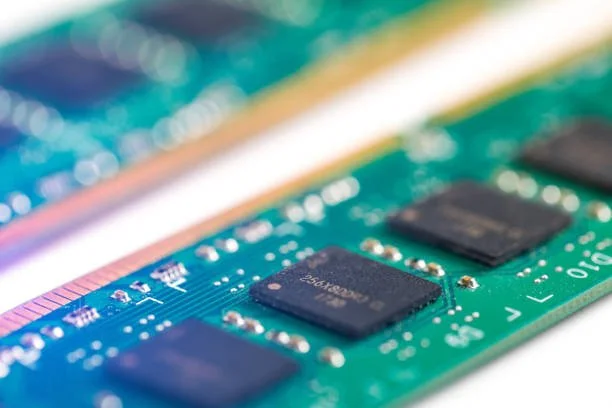
As enterprise IT environments continue to expand, memory requirements grow alongside infrastructure demands. Organizations managing data centers, virtualization platforms, cloud environments, and high-performance applications often require large quantities of memory to support ongoing operations. Procuring memory at scale requires careful planning to ensure compatibility, performance, and long-term value.
Investing in a reliable bulk RAM supply strategy can help organizations streamline infrastructure deployments, improve procurement efficiency, and maintain consistent hardware standards across their environments. Before making large-scale purchases, enterprises should understand the factors that influence memory selection and deployment success.
Why Bulk RAM Supply Is Important for Enterprise IT Operations
Enterprise organizations frequently manage hundreds or even thousands of systems that require consistent hardware configurations. Memory procurement becomes increasingly important as infrastructure expands and workload requirements evolve.
Supporting Large-Scale Infrastructure Growth
As organizations scale their operations, the need for additional servers, storage platforms, and computing resources increases. Memory plays a central role in supporting this growth by enabling systems to handle larger workloads and greater user demand.
Purchasing RAM in bulk helps organizations maintain consistency across hardware deployments while ensuring adequate inventory is available for future expansion projects. Standardized memory configurations also simplify system management and reduce operational complexity.
Reducing Procurement Delays Through Strategic Purchasing
Waiting for individual memory orders can create delays during infrastructure deployments or hardware upgrades. Strategic bulk purchasing helps enterprises maintain sufficient inventory levels to support ongoing projects and operational requirements.
By securing memory resources in advance, organizations can reduce procurement bottlenecks, accelerate deployment timelines, and improve overall infrastructure planning.
Key Factors to Evaluate Before Buying RAM in Bulk
Selecting memory for enterprise environments involves more than simply choosing the highest capacity available. Organizations must evaluate several technical and operational factors before making purchasing decisions.
Understanding Capacity, Speed, and Compatibility Requirements
Memory capacity directly influences how many workloads a system can support simultaneously. Speed affects data transfer performance, while compatibility determines whether memory modules will function properly within existing hardware.
Before purchasing RAM in bulk, IT teams should verify server specifications, supported memory technologies, and platform limitations. Understanding these requirements helps prevent costly compatibility issues and ensures optimal performance after deployment.
Aligning Memory Purchases With Business Workloads
Different workloads place varying demands on system memory. Enterprise organizations should evaluate current workload requirements while considering future growth plans.
For example, environments supporting virtualization, analytics, or cloud applications often require greater memory capacity than standard business systems. Aligning purchases with workload demands helps maximize performance and avoid unnecessary expenditures.
How Enterprise Workloads Influence Memory Requirements
Memory requirements vary significantly depending on the applications and services being supported. Understanding workload characteristics is essential when planning large-scale memory purchases.
Virtualization, Cloud, and Data Center Applications
Virtualized environments rely heavily on available memory resources. Each virtual machine consumes RAM, making memory one of the most important resources within virtualization platforms.
Cloud infrastructure and modern data centers also depend on substantial memory capacity to maintain performance and scalability. Organizations must ensure that memory configurations can support current workloads while accommodating future expansion.
Enterprises seeking trusted memory procurement solutions often rely on Ram Exchange to access quality products designed for demanding enterprise environments.
AI, Analytics, and High-Performance Computing Environments
Artificial intelligence, machine learning, analytics, and high-performance computing applications process large volumes of data and require significant memory resources.
These workloads benefit from high-capacity configurations and advanced memory technologies that provide greater bandwidth and faster data access. Selecting the right memory solutions helps ensure consistent performance across computationally intensive applications.
Comparing Different Computer Memory Solutions
Enterprise buyers often encounter multiple memory options when planning infrastructure upgrades. Understanding the differences between available technologies can help simplify purchasing decisions.
DDR4 vs DDR5 Memory Options for Enterprises
DDR4 remains widely deployed across many enterprise environments due to its proven reliability and broad compatibility. However, DDR5 introduces significant performance improvements that make it increasingly attractive for modern workloads.
DDR5 offers higher bandwidth, greater memory density, and improved power efficiency compared to DDR4. These advantages make DDR5 particularly valuable for organizations supporting virtualization, cloud computing, and data-intensive applications.
The choice between DDR4 and DDR5 often depends on existing hardware platforms, workload requirements, and long-term infrastructure strategies.
Choosing Between Standard and High-Capacity Configurations
Memory modules are available in a variety of capacities to accommodate different workloads. Standard configurations may be sufficient for general-purpose applications, while high-capacity options are often required for enterprise-scale environments.
Organizations should evaluate workload demands, server limitations, and future growth objectives when selecting memory capacities. Proper planning helps avoid premature upgrades and supports long-term scalability.
Benefits of Buying RAM Online From Trusted Suppliers
Online procurement has become an increasingly popular option for enterprise hardware purchasing. Trusted suppliers provide access to extensive inventories and streamlined ordering processes.
Access to Larger Inventory and Competitive Pricing
Established suppliers often maintain large inventories that support enterprise purchasing requirements. Access to a broad selection of products allows organizations to find memory solutions that meet specific technical requirements.
Competitive pricing can also provide significant cost advantages when purchasing memory in bulk. Larger inventories help ensure product availability while reducing the likelihood of procurement delays.
Simplified Procurement and Faster Fulfillment Processes
Online procurement platforms simplify purchasing workflows by providing product specifications, compatibility information, and ordering tools in a centralized location.
Organizations looking to explore enterprise memory options can browse available memory solutions to identify products that align with their infrastructure requirements and deployment goals.
Ensuring Compatibility Across Enterprise Hardware
Compatibility remains one of the most important considerations when purchasing memory in bulk. Even high-quality memory modules may create issues if they are not properly matched to system requirements.
Matching Memory Modules to Server Specifications
Every server platform supports specific memory configurations. Factors such as capacity limits, speed ratings, memory technology, and supported module types must be verified before deployment.
Ensuring compatibility helps maintain system stability while maximizing the performance benefits of memory upgrades.
Avoiding Common Configuration and Performance Issues
Improper memory configurations can lead to reduced performance, system instability, or hardware compatibility challenges. Enterprises should follow manufacturer recommendations and verify configurations before large-scale deployments.
Working with knowledgeable suppliers can help organizations avoid common purchasing mistakes and ensure successful implementation.
Managing Cost, Performance, and Scalability
Enterprise purchasing decisions must balance technical requirements with financial considerations. Effective memory procurement strategies support both immediate operational needs and long-term growth objectives.
Balancing Budget Constraints With Future Growth Plans
While budget considerations are important, focusing solely on short-term cost savings may create future limitations. Organizations should evaluate anticipated growth and infrastructure expansion when planning memory purchases.
Investing in scalable memory solutions can help reduce future upgrade costs while supporting evolving business requirements.
Maximizing Return on Investment Through Strategic Purchases
Strategic purchasing decisions help organizations achieve greater value from infrastructure investments. Bulk procurement often provides cost efficiencies while ensuring consistent hardware standards across deployments.
Careful planning can improve resource utilization, simplify maintenance, and enhance long-term operational efficiency.
What to Look for in a Bulk RAM Supply Partner
Selecting the right supplier is just as important as choosing the right memory products. Enterprise buyers should evaluate suppliers based on expertise, product quality, and support capabilities.
Product Quality, Availability, and Technical Expertise
Reliable suppliers offer quality-tested products that meet enterprise performance and reliability standards. Product availability is equally important, particularly for organizations managing large-scale deployments.
Technical expertise can help buyers identify appropriate solutions and avoid compatibility issues that may affect deployment success.
Warranty Coverage and Ongoing Customer Support
Enterprise hardware investments should be backed by strong warranty coverage and responsive customer support. These services help reduce operational risks and provide confidence throughout the product lifecycle.
Ongoing support can also assist organizations with future upgrades, expansion projects, and troubleshooting requirements.
How RAM Exchange Supports Enterprise Memory Procurement
Organizations seeking dependable memory solutions benefit from working with suppliers that understand enterprise infrastructure requirements and procurement challenges.
Reliable Computer Memory Solutions for Large Deployments
RAM Exchange provides computer memory solutions designed to support enterprise workloads, data center environments, virtualization platforms, and cloud infrastructure deployments.
Their extensive product selection helps organizations identify memory configurations that align with both current requirements and future growth plans.
Streamlined Bulk Ordering and Expert Product Guidance
Large-scale memory procurement requires careful planning and accurate product selection. RAM Exchange supports enterprise customers through streamlined ordering processes and expert guidance throughout the purchasing journey.
This combination of product availability, technical expertise, and customer support helps organizations achieve successful deployment outcomes while simplifying procurement management.
Conclusion
Bulk RAM purchasing can provide significant advantages for enterprises seeking to support infrastructure growth, improve procurement efficiency, and maintain consistent hardware standards. By evaluating workload requirements, compatibility considerations, scalability objectives, and supplier capabilities, organizations can make informed purchasing decisions that deliver long-term value. Selecting a trusted partner and investing in the right memory solutions helps ensure reliable performance across virtualization, cloud, analytics, and enterprise computing environments.
Need Expert Advice? Contact Our Team
FAQs
1. Why should enterprises consider bulk RAM purchasing?
Bulk purchasing helps organizations reduce procurement delays, maintain inventory availability, standardize hardware configurations, and often achieve better pricing.
2. What factors should be evaluated before buying RAM in bulk?
Key considerations include capacity requirements, memory speed, hardware compatibility, workload demands, scalability objectives, and supplier reliability.
3. Is DDR5 better than DDR4 for enterprise environments?
DDR5 offers higher bandwidth, improved power efficiency, and greater memory density, making it a strong choice for modern enterprise workloads. However, compatibility with existing hardware should always be verified.
4. How do enterprise workloads affect memory requirements?
Workloads such as virtualization, cloud computing, AI, analytics, and high-performance computing typically require greater memory capacity and faster performance than standard business applications.
5. Why is supplier selection important when purchasing RAM in bulk?
A trusted supplier provides quality products, technical expertise, warranty coverage, product availability, and ongoing support that contribute to successful enterprise deployments.