
Supermicro Server Configuration Best Practices for Enterprise Performance
Why Proper Supermicro Server Configuration Matters for Enterprises
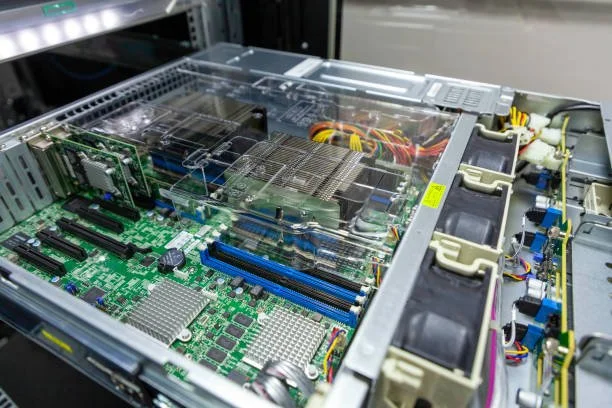
Enterprise server performance depends on accurate hardware selection, optimized configurations, and careful infrastructure planning. A properly configured server ensures that applications receive adequate resources while maintaining reliability, scalability, and operational efficiency. Supermicro platforms provide flexible hardware options for organizations with different workload requirements, but achieving maximum performance requires selecting compatible processors, memory, storage, and networking components.
When planning a Supermicro server configuration, organizations should evaluate their current workload demands, future expansion plans, and hardware compatibility requirements to create a stable and efficient enterprise environment.
The Impact of Server Configuration on Performance and Reliability
Server configuration directly influences how effectively hardware resources are utilized. An unbalanced configuration can create performance limitations where one component restricts the capabilities of others. For example, insufficient memory capacity can prevent processors from operating efficiently, while slow storage can impact application responsiveness.
A well planned configuration improves system reliability by ensuring that every hardware component works together effectively. Proper selection of enterprise grade memory, storage solutions, and networking equipment helps maintain consistent performance during demanding workloads.
Avoiding Infrastructure Bottlenecks Through Better Planning
Infrastructure bottlenecks often occur when server resources are not aligned with application requirements. Limited memory, inadequate storage performance, or insufficient network capacity can reduce overall system efficiency.
Planning before deployment allows organizations to identify potential limitations and select hardware that supports both current operations and future growth. A structured configuration approach reduces unnecessary upgrades and helps maintain predictable performance.
Understanding Enterprise Server Requirements Before Configuration
Before selecting server components, organizations must understand their workload requirements and operational goals. Every application environment requires different levels of processing power, memory capacity, storage performance, and network capability.
Evaluating Workloads, Applications, and Performance Goals
Workload analysis is the foundation of effective server configuration. Organizations should evaluate application requirements, expected resource consumption, and performance objectives before selecting hardware.
Important considerations include:
Application resource requirements
Number of users and connected systems
Data processing requirements
Availability expectations
Future workload growth
This evaluation ensures that the selected configuration provides sufficient resources without unnecessary hardware expenses.
Planning for Scalability and Future Expansion
Enterprise infrastructure should support future expansion rather than only current requirements. Selecting scalable hardware allows organizations to increase memory, storage, or processing capacity as workload demands grow.
Scalability planning includes choosing systems with available expansion slots, compatible memory options, and flexible storage configurations. This approach improves infrastructure longevity and reduces the need for frequent hardware replacements.
Choosing the Right Supermicro Server Hardware Components
Hardware selection plays a major role in determining server efficiency and reliability. Each component should be selected based on workload requirements and compatibility with other system resources.
Selecting Processors, Memory, and Storage Based on Workload Needs
Processors provide computing power, while memory and storage determine how efficiently applications access and process information. Selecting the correct balance between these components prevents performance limitations.
Memory selection requires careful consideration of capacity, speed, ECC support, and compatibility. Enterprise workloads often require reliable memory solutions that can operate continuously without stability concerns.
Storage configuration should also match workload requirements. High performance applications may require faster storage solutions, while data intensive environments may prioritize capacity and reliability.
Balancing Performance, Efficiency, and Budget Considerations
Enterprise server configuration requires balancing performance goals with budget considerations. Selecting expensive hardware without evaluating workload requirements can lead to inefficient resource allocation.
A trusted supplier such as RAM Exchange helps organizations identify suitable enterprise memory solutions based on compatibility, performance needs, and long term infrastructure planning.
Optimizing Memory Configuration for Supermicro Servers
Memory is one of the most important components affecting server performance. Proper memory planning improves application responsiveness, supports multitasking, and reduces performance limitations.
Selecting the Right Enterprise RAM Capacity
The required memory capacity depends on workload complexity, application requirements, and future expansion plans. Virtualization environments, databases, and enterprise applications typically require higher memory capacity compared to basic server workloads.
Before selecting RAM, organizations should analyze current usage and expected growth. Choosing an appropriate capacity helps prevent resource shortages while supporting future infrastructure requirements.
Using ECC Memory for Stability and Data Integrity
ECC memory is widely used in enterprise servers because it improves reliability by detecting and correcting certain memory errors. This technology helps protect data integrity and supports stable server operation.
Benefits of ECC memory include:
Improved system stability
Reduced memory related failures
Better data protection
Reliable operation under continuous workloads
Using quality tested ECC memory supports dependable enterprise performance.
Storage and Networking Considerations for Server Optimization
Storage and networking configurations significantly affect overall server efficiency. Optimizing these components ensures faster data access, improved application performance, and reliable communication between systems.
Configuring Storage Solutions for Speed and Reliability
Storage planning should consider performance requirements, data availability needs, and future capacity expansion. RAID configurations, storage controllers, and drive selection should be evaluated carefully to create a balanced storage environment.
Organizations operating a supermicro storage server should ensure that memory, storage, and networking components are configured together to achieve reliable performance and efficient resource utilization.
Optimizing Network Performance for Enterprise Applications
Network performance is essential for applications that depend on fast communication between systems. Selecting suitable network adapters, maintaining proper configurations, and ensuring sufficient bandwidth helps improve application responsiveness.
Efficient networking also supports data transfer requirements and improves overall infrastructure efficiency.
Rack Server Configuration Best Practices
Rack server deployments require careful planning to maintain reliability and operational efficiency.
Planning Rack Placement, Cooling, and Power Requirements
Proper rack placement helps maintain airflow, temperature control, and power efficiency. Poor cooling management can reduce hardware lifespan and affect system stability.
Organizations should consider:
Rack positioning
Cooling capacity
Power distribution
Cable organization
These practices support reliable server operation.
Managing Hardware Density and Data Center Efficiency
Efficient hardware density planning allows organizations to maximize available space while maintaining proper cooling and power management. Balanced rack configurations simplify maintenance and improve data center efficiency.
Improving Supermicro Server Performance Through Optimization
BIOS, Firmware, and System Configuration Updates
Keeping BIOS and firmware updated improves compatibility, security, and hardware stability. Regular updates ensure that server components operate according to manufacturer recommendations.
Monitoring Performance and Identifying Resource Limitations
Continuous monitoring helps identify memory shortages, storage limitations, and processing bottlenecks. Performance tracking allows IT teams to make informed decisions about future upgrades and optimization.
Common Supermicro Server Configuration Mistakes to Avoid
Underestimating Memory and Storage Requirements
Insufficient memory and storage planning can limit performance and create future upgrade challenges. Organizations should evaluate workload requirements carefully before finalizing configurations.
Ignoring Compatibility Between Hardware Components
Using incompatible hardware components can create installation problems and reduce system reliability. Compatibility verification should always be completed before purchasing server components.
How Data Center Teams Can Build Reliable Server Infrastructure
Creating Standardized Configuration Processes
Standardized configuration procedures improve consistency across enterprise environments. Clear processes reduce deployment errors and simplify future maintenance activities.
Maintaining Hardware Lifecycle and Upgrade Strategies
Regular hardware reviews and upgrade planning help organizations maintain efficient infrastructure while extending server usability.
Why Choose RAM Exchange for Supermicro Server Upgrades?
Selecting the right memory supplier is essential for successful enterprise upgrades. Organizations require tested hardware, technical guidance, and reliable support to maintain server performance.
Enterprise RAM Solutions for Supermicro Servers
RAM Exchange provides enterprise memory solutions designed for Supermicro server environments. Their tested memory modules support compatibility, reliability, and consistent performance for demanding workloads.
Quality-Tested Memory, Compatibility Guidance, and Infrastructure Support
RAM Exchange assists organizations with memory selection, compatibility verification, and upgrade planning. Expert guidance helps reduce deployment risks while ensuring reliable server performance.
Conclusion
Proper Supermicro server configuration requires careful planning across memory, storage, networking, processors, and future expansion requirements. Selecting compatible enterprise hardware and following configuration best practices improves reliability, performance, and infrastructure efficiency.
Organizations that prioritize quality components and professional guidance can create server environments that support long term business requirements while reducing operational challenges.
Optimize Your Server Setup: Contact RAM Exchange for expert guidance on enterprise memory upgrades and reliable server configuration solutions.
FAQs
1. Why is proper Supermicro server configuration important?
Proper configuration ensures that server components work together efficiently, improving performance, reliability, and scalability for enterprise workloads.
2. How does memory affect Supermicro server performance?
Memory capacity and quality directly influence application responsiveness, multitasking ability, and overall system efficiency.
3. Why is ECC memory recommended for enterprise servers?
ECC memory improves data integrity by detecting and correcting certain memory errors, supporting greater system stability.
4. What should organizations consider when selecting server storage?
Organizations should evaluate performance requirements, capacity needs, reliability goals, and future expansion plans before selecting storage solutions.
5. Why choose RAM Exchange for Supermicro server memory upgrades?
RAM Exchange provides tested enterprise memory, compatibility guidance, and technical support to help organizations complete reliable server upgrades.