
New vs Refurbished RAM: What Makes Sense for Enterprises?
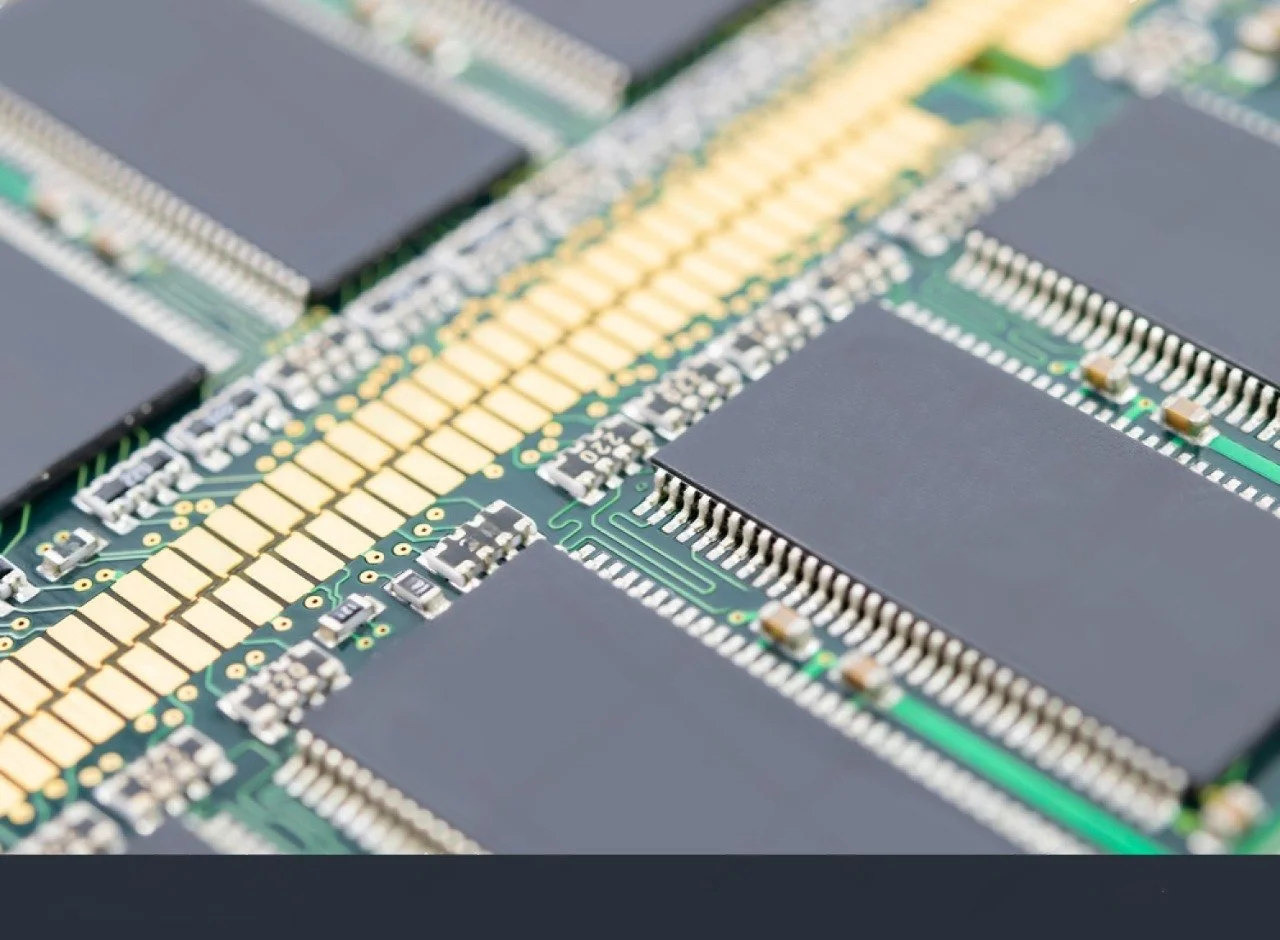
With DRAM prices up sharply and server memory expected to remain expensive through at least 2026, IT managers are rethinking the assumption that “new only” is the safest route. Refurbished server hardware has already proven it can cut acquisition costs by 50–80 percent when sourced from reputable enterprise vendors, and memory is one of the easiest components to reuse safely. For many workloads, certified refurbished RAM for business can deliver the same performance as new modules at a fraction of the cost, provided it has passed rigorous QA testing.
RAM Exchange, a specialized DRAM supplier and IT asset disposition partner, supports enterprises in the United States with both new and tested used server memory, helping teams balance trust and savings instead of choosing one over the other.
This guide examines the financial, operational, and compliance considerations behind new versus certified refurbished RAM. We analyze risk factors, quality assurance standards, long-term performance expectations, and real-world cost savings.
New vs Refurbished RAM: The Core Tradeoffs
For IT managers, the choice is not “good vs bad” but rather which mix of new and refurbished RAM fits each workload and budget.
New RAM
Pros
Full manufacturer warranty and support.
Zero prior usage, which may matter in regulated or ultra critical environments.
Direct alignment with latest platform qualifications and vendor reference designs.
Cons
Highest upfront cost, particularly in 2025–2026 where server memory pricing has roughly doubled for many configurations.
Longer lead times during shortages or allocation cycles.
Refurbished / Used Server Memory
Pros
Substantial savings: reputable enterprise refurb suppliers cite up to 70 percent cost reduction versus new RAM of equivalent specifications.
Enables capacity upgrades and scaling across many nodes without replacing entire servers.
Extends hardware life and reduces e waste, contributing to sustainability goals.
Cons
Quality varies widely if not sourced from certified, QA focused vendors.
Warranty terms may be shorter and policies differ across providers.
Not always suitable for the most risk sensitive, low tolerance systems.
The key is not whether refurbished RAM is “safe” in general, but whether it is certified, QA tested RAM from a partner that treats memory like a first class enterprise component rather than surplus scrap.
What “Certified Refurbished RAM” Should Actually Mean
The term “refurbished” is often used loosely. For enterprises, certified refurbished RAM should meet clear standards.
Typical Enterprise Grade Refurbishment Steps
Quality oriented vendors apply processes similar to those used in professional refurbishment labs and enterprise hardware testing.
Physical inspection
Check PCBs, solder joints, and connectors for damage, corrosion, or warping.
Functional and stress testing
Run memory diagnostics, stress tests, and burn in cycles to detect intermittent or marginal failures.
Test under realistic workloads and temperatures.
Compatibility verification
Confirm ECC, registered, or load reduced characteristics as required for server platforms.
Validate against vendor or OEM compatibility lists where available.
Grading and certification
Classify modules as Grade A (fully functional, minimal wear) or lower grades with clear labeling.
Issue test reports or QA certificates documenting procedures and results.
Warranty and return policy
Provide a defined warranty period and DOA return process, similar to what is common for refurbished servers and storage.
As one enterprise memory supplier notes, refurbished EMC RAM modules are fully tested and can deliver up to 70 percent cost savings versus new while remaining suitable for demanding workloads in hosting and data center environments.
Cost Savings: How Big Is the Gap?
For many enterprises, the main reason to consider refurbished RAM for business is the potential savings.
Refurbished enterprise hardware commonly offers 50–80 percent lower prices compared with new equipment, while still meeting performance needs when sourced from credible vendors.
Specifically for server RAM, refurbished EMC RAM has been reported to deliver up to 70 percent savings versus new modules of the same specification.
These savings directly translate into:
Higher VM density per budget dollar.
More memory per node, which can reduce licensing cost per workload when software is licensed per core or per host.
Where Refurbished RAM for Business Makes Sense
Not every environment is a candidate for used server memory, but many are.
Strong Use Cases
Test and development environments
Ideal for labs, sandboxes, and staging where capacity matters more than absolute uptime and where any hardware issues can be detected before production.
Non mission critical production workloads
File and print servers, basic application servers, internal tools, and secondary analytics platforms can often run reliably on QA tested RAM.
Capacity expansions on older platforms
When servers are nearing end of life but need 12–24 more months of service, refurbished RAM can extend life without full platform replacement.
Cost constrained projects
Small and mid sized enterprises, or departments with fixed budgets, can use refurbished RAM to meet capacity targets that would be unaffordable with new modules.
Caution Zones
Ultra critical systems (for example financial trading, national infrastructure control)
Environments with strict vendor support contracts that prohibit third party or refurbished components
Highly regulated workloads where any deviation from vendor specified BOM must undergo lengthy validation
In those cases, new RAM with full OEM support may still be the right choice.
Decision Framework: New vs Refurbished RAM by Workload
| Workload environment | Recommended approach | Rationale |
|---|---|---|
| Tier 1 transactional systems | Mostly new RAM, with OEM qualified parts | Prioritize maximum support and minimal risk. |
| Virtualization clusters (mixed) | Mix of new and certified refurbished RAM | Balance density and cost, with strong QA. |
| Test, dev, and QA environments | Primarily certified refurbished RAM | Lower risk, strong savings. |
| Analytics and batch workloads | Refurbished RAM acceptable with monitoring | Can tolerate node level issues more easily. |
| Short term capacity bridges | Refurbished RAM for 12–24 month horizon | Avoid overinvesting before refresh. |
This matrix lets IT managers use refurbished RAM for business where it makes economic and operational sense, while reserving new RAM for the most sensitive tiers.
How RAM Exchange Supports Enterprise Memory Decisions
Selecting the right memory sourcing partner significantly influences risk and cost outcomes. RAM Exchange specializes in enterprise memory procurement across the United States, offering both new and certified refurbished RAM solutions.
Their structured QA tested RAM processes, transparent sourcing standards, and scalable supply options support IT managers who require reliability alongside financial efficiency. Enterprises evaluating refurbished RAM for business environments can consult us to discuss validation protocols, warranty coverage, and bulk sourcing strategies tailored to operational needs.
By combining cost transparency with documented quality standards, RAM Exchange helps organizations confidently integrate used server memory into enterprise deployments where appropriate.
Trust and Savings Can Coexist with Refurbished RAM
The decision between new and refurbished RAM for business environments is not binary. It requires thoughtful analysis of workload criticality, budget constraints, compliance obligations, and lifecycle strategy.
Certified refurbished RAM and QA tested RAM solutions now offer credible alternatives to new memory modules for many enterprise use cases. When sourced responsibly, used server memory can deliver substantial cost savings while maintaining performance and reliability standards.
For IT managers seeking structured guidance and transparent sourcing, RAM Exchange provides enterprise-grade memory solutions across the United States. By aligning procurement strategy with operational priorities, organizations can confidently balance trust, savings, and infrastructure performance in 2026 and beyond.
FAQs
1. Is refurbished RAM safe for business use?
Yes, when it is certified and tested by reputable enterprise vendors, refurbished RAM can be reliable enough for many production and non production workloads, especially when combined with ECC and proper monitoring.
2. How much can we save with certified refurbished RAM?
Enterprises commonly see 40–70 percent savings compared with new server memory, with some suppliers reporting up to 70 percent cost reduction on refurbished EMC RAM modules.
3. Which workloads are best suited for refurbished RAM?
Refurbished RAM is well suited to test and development, non critical production servers, analytics and batch workloads, and short term capacity extensions on older platforms.
4. What should we look for in a refurbished RAM supplier?
Look for clear testing and QA processes, documented grading, meaningful warranty terms, specialization in enterprise memory, and traceable sourcing from known environments.
5. Does using refurbished RAM affect performance?
No, assuming the modules match the same specification, certified refurbished RAM offers the same speed and capacity as new, since DRAM performance is dictated by standard specifications rather than age.
6. How can RAM Exchange help with refurbished RAM for business?
RAM Exchange offers both new and QA tested used server memory, integrates IT asset disposition to recover value from retired RAM, and helps IT managers map new vs refurbished choices to workload and risk.