
Buy Cisco UCS RAM: Everything Enterprise Buyers Need to Know
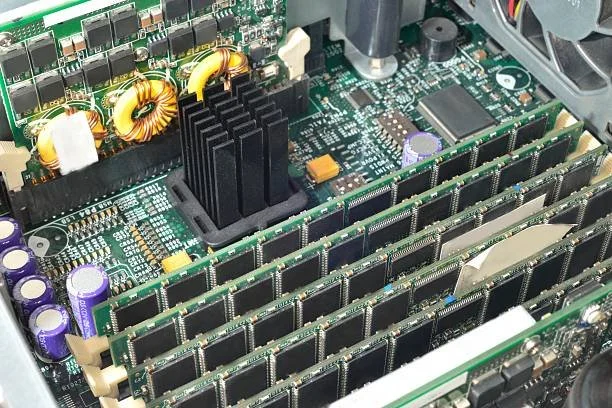
Enterprise server performance depends heavily on memory capacity, reliability, and compatibility. Whether supporting virtualization platforms, database systems, cloud applications, or analytics workloads, memory plays a critical role in ensuring smooth and efficient operations. When organizations plan hardware upgrades or infrastructure expansion projects, selecting the right memory solution becomes an important procurement decision.
Businesses looking to Buy Cisco UCS RAM should evaluate far more than price alone. Compatibility, supplier expertise, product quality, warranty coverage, and long-term scalability all influence the overall value of a memory investment. Understanding what to look for before making a purchase helps organizations avoid costly mistakes and achieve better performance from their Cisco UCS environments.
Why Choosing the Right Cisco UCS Memory Supplier Matters
Selecting a memory supplier is just as important as selecting the memory itself. Enterprise buyers need confidence that the products they purchase will perform reliably and integrate seamlessly with their existing infrastructure. A reputable supplier can help simplify procurement while reducing operational risks.
The Risks of Purchasing Incompatible or Low-Quality Memory
Memory compatibility issues can create significant challenges within enterprise environments. Installing modules that do not meet Cisco UCS specifications may result in system instability, performance degradation, or hardware recognition failures.
Low-quality memory products may also introduce reliability concerns. Unverified components can increase the likelihood of errors, downtime, and maintenance requirements. These risks can affect business operations and create unnecessary costs for IT departments.
Organizations should prioritize suppliers that offer thoroughly tested enterprise-grade memory designed specifically for Cisco UCS platforms.
How the Right Supplier Supports Long-Term Infrastructure Goals
The right supplier provides more than products. They contribute valuable expertise that helps organizations make informed purchasing decisions. Experienced suppliers understand compatibility requirements, capacity planning considerations, and enterprise deployment challenges.
A trusted supplier can assist with infrastructure growth strategies, helping organizations select memory configurations that support both current workloads and future expansion plans. This approach helps maximize return on investment while reducing procurement complexity.
Key Factors Enterprise Buyers Should Evaluate Before Purchasing Cisco UCS RAM
Before placing an order, organizations should carefully assess their technical requirements and business objectives. Understanding these factors helps ensure that memory purchases align with operational needs and long-term infrastructure strategies.
Understanding Cisco UCS Server Compatibility Requirements
Every Cisco UCS server model supports specific memory technologies, capacities, and configurations. Buyers should review hardware specifications carefully before selecting memory modules.
Key considerations include:
Supported memory type
Maximum memory capacity
DIMM slot availability
Processor compatibility
Memory speed limitations
Recommended population guidelines
Verifying compatibility before purchasing helps avoid deployment issues and ensures optimal performance after installation.
Determining Current and Future Memory Capacity Needs
Enterprise buyers should evaluate both present and future workload requirements. Purchasing memory solely to address immediate needs may lead to additional upgrade projects sooner than expected.
Factors that influence memory requirements include:
Virtual machine growth
Database expansion
Cloud application adoption
Analytics workloads
User growth
New software deployments
Planning for future growth helps organizations build scalable infrastructure while reducing long-term procurement costs.
Aligning Memory Purchases with Budget and Procurement Objectives
Every IT investment must balance technical requirements with financial considerations. Buyers should evaluate total value rather than focusing exclusively on initial purchase costs.
Important procurement objectives may include improving server utilization, extending hardware lifecycles, reducing future upgrade requirements, and maintaining predictable infrastructure expenses. A strategic approach helps ensure that memory investments deliver measurable business value.
Evaluating Cisco UCS RAM Options for Enterprise Environments
Cisco UCS servers support various memory configurations designed to meet different workload requirements. Understanding available options helps buyers select the most effective solution for their environment.
Comparing RDIMM and LRDIMM Memory Solutions
Registered DIMMs and Load Reduced DIMMs are commonly used in enterprise server deployments. RDIMMs provide strong performance and reliability while supporting substantial memory capacities. They are often selected for environments seeking a balance between affordability and performance.
LRDIMMs are designed to support higher memory densities. By reducing electrical loading on the memory controller, they enable larger memory configurations without sacrificing stability.
The appropriate choice depends on workload requirements, server architecture, and long-term scalability goals.
Choosing the Appropriate Capacity and Speed Configuration
Memory capacity and speed both influence overall system performance. Buyers should evaluate how workloads interact with available resources before making a purchasing decision.
Database applications often benefit from larger memory allocations, while virtualization hosts may require additional capacity to support increased virtual machine density. Speed considerations should also align with server capabilities and processor support.
Organizations frequently rely on trusted suppliers such as Ram Exchange to help identify memory configurations that provide the right balance of performance and capacity.
Balancing Performance, Scalability, and Cost Efficiency
Purchasing the highest available capacity is not always the most cost-effective strategy. Organizations should evaluate expected workload growth and performance objectives when determining upgrade requirements.
An effective memory investment supports current demands while leaving room for future expansion. This balanced approach helps organizations avoid unnecessary spending while maintaining infrastructure flexibility.
Assessing Cisco UCS Memory Suppliers Before Making a Purchase
Supplier evaluation should be a critical component of the purchasing process. Not all vendors provide the same level of product quality, inventory availability, or technical expertise.
Product Availability and Inventory Depth
Enterprise projects often require large quantities of memory modules delivered within specific timelines. Suppliers with extensive inventory can better support procurement schedules and reduce deployment delays.
Inventory depth becomes particularly important during infrastructure refresh projects where multiple servers require simultaneous upgrades. Reliable availability helps ensure project timelines remain on track.
Quality Assurance, Testing, and Reliability Standards
Enterprise memory should undergo comprehensive testing and validation before deployment. Buyers should seek suppliers that follow strict quality assurance procedures and verify product performance before shipment.
Quality testing helps ensure reliability while reducing the risk of failures after installation. Thorough validation also provides greater confidence that memory modules will operate correctly within Cisco UCS environments.
Technical Expertise and Pre-Sales Support Capabilities
Memory compatibility can be complex, particularly in large enterprise environments with multiple server generations and varying workload requirements.
Suppliers that offer knowledgeable technical assistance can help buyers navigate compatibility concerns, capacity planning decisions, and deployment strategies. Access to expert guidance often leads to more successful upgrade outcomes.
The Importance of Warranty, Support, and Supply Chain Reliability
Enterprise procurement decisions extend beyond hardware specifications. Warranty protection, technical support, and supply chain stability all contribute to the overall value of a memory investment.
Understanding Warranty Coverage and Replacement Policies
Warranty terms should be reviewed carefully before making a purchase. Comprehensive warranty coverage provides protection against manufacturing defects and product failures.
Organizations should also understand replacement procedures, response times, and available support channels. Clear policies help reduce operational risk and simplify issue resolution when necessary.
Ensuring Consistent Supply for Enterprise Refresh Projects
Large infrastructure projects often involve phased deployments and ongoing procurement requirements. Buyers should evaluate whether a supplier can provide consistent product availability throughout the project lifecycle.
Reliable supply chain management helps prevent delays while supporting long-term procurement strategies.
Reducing Procurement Risks Through Trusted Vendor Relationships
Establishing relationships with trusted suppliers can improve procurement efficiency and reduce uncertainty. Experienced vendors understand enterprise requirements and can provide ongoing support as infrastructure needs evolve.
Organizations looking to optimize hardware lifecycle management may also explore opportunities to sell used RAM when upgrading server environments. This approach can help recover value from retired hardware while supporting future infrastructure investments.
Why RAM Exchange Is a Trusted Cisco UCS Memory Supplier
Choosing the right supplier can significantly impact the success of a memory upgrade project. RAM Exchange has built a reputation for supporting enterprise organizations with reliable memory solutions and expert guidance.
Extensive Inventory of Enterprise-Grade Cisco UCS RAM
RAM Exchange offers a broad selection of Cisco-compatible memory solutions designed to support a wide range of UCS server models and configurations. This extensive inventory helps organizations find the products they need without unnecessary delays.
Expert Guidance for Procurement and Upgrade Planning
Enterprise memory purchases often require careful planning and compatibility analysis. RAM Exchange provides knowledgeable support to help buyers select appropriate configurations based on technical and operational requirements.
Reliable, Cost-Effective, and Scalable Memory Solutions
RAM Exchange focuses on delivering dependable memory products that help organizations balance performance, scalability, and budget objectives. Their solutions support both immediate infrastructure needs and future growth plans.
Conclusion
Purchasing Cisco UCS RAM involves much more than selecting a memory module based on capacity or price. Enterprise buyers must evaluate compatibility requirements, workload demands, supplier expertise, warranty coverage, and long-term scalability objectives. A strategic approach helps organizations maximize performance while reducing procurement risks.
By partnering with an experienced supplier and carefully assessing infrastructure requirements, businesses can make informed purchasing decisions that support reliable and efficient operations. For assistance with Cisco UCS memory selection, procurement planning, or upgrade recommendations, visit the contact page to connect with the team.
FAQs
1. Why is compatibility important when buying Cisco UCS RAM?
Compatibility ensures that memory modules function correctly within the server environment and deliver optimal performance without stability issues.
2. What is the difference between RDIMM and LRDIMM memory?
RDIMMs provide balanced performance and affordability, while LRDIMMs support higher memory capacities by reducing electrical loading on the memory controller.
3. How can I determine the right memory capacity for my server?
Evaluate current memory utilization, workload requirements, virtualization density, and future growth projections before selecting a capacity.
4. What should I look for in a Cisco UCS memory supplier?
Consider inventory availability, product testing procedures, technical expertise, warranty coverage, and customer support capabilities.
5. Does upgrading Cisco UCS RAM improve server performance?
Yes. Additional memory can improve application responsiveness, support larger workloads, increase virtualization capacity, and enhance overall infrastructure efficiency.