DDR4 vs DDR5 Memory Modules: Which Is Right for Your Business?
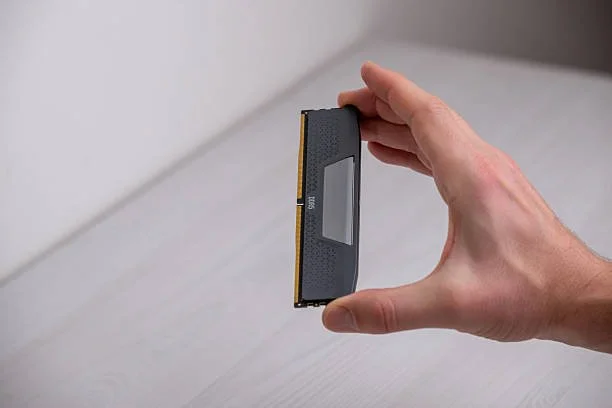
Selecting the right memory technology is an important decision for organizations that rely on servers, data centers, virtualization platforms, and enterprise applications. Memory directly influences how efficiently systems process data, respond to workloads, and support business operations. As organizations continue expanding digital infrastructure, choosing between DDR4 and DDR5 memory modules requires a clear understanding of performance needs, budget considerations, and long term scalability. Businesses that invest in the right memory technology can improve productivity, reduce hardware limitations, and create a stronger foundation for future growth. Organizations exploring modern DDR5 memory modules should evaluate both current workloads and future infrastructure plans before making an upgrade decision.
How Memory Impacts Server Efficiency and Application Performance
Server memory affects how quickly processors access and process data. When sufficient high performance memory is available, applications respond faster, multitasking becomes smoother, and data intensive workloads experience fewer bottlenecks. Enterprise environments running databases, virtual machines, analytics platforms, or collaborative business software benefit from reliable memory that can consistently support demanding operations. Better memory performance also helps improve resource utilization across servers, reducing unnecessary delays and improving operational efficiency.
Aligning Memory Investments With Business Growth
Technology investments should support both present requirements and future expansion. Businesses that anticipate growing workloads should consider memory solutions capable of handling increased processing demands over time. Choosing the appropriate memory generation can help reduce frequent hardware replacements while allowing organizations to scale infrastructure with greater confidence. Careful planning ensures that memory investments continue delivering value as business requirements evolve.
What Are DDR5 Memory Modules?
DDR5 represents the latest generation of enterprise memory technology, designed to deliver greater bandwidth, higher capacities, and improved power efficiency compared to previous generations. It introduces architectural improvements that allow modern processors to handle increasingly complex workloads more effectively.
Key Features and Performance Improvements
DDR5 memory modules provide higher transfer speeds, increased memory density, and enhanced data management capabilities. They support significantly greater bandwidth, allowing servers to process larger volumes of information simultaneously. Improved power management also contributes to better energy efficiency, which is particularly valuable in enterprise and data center environments where large numbers of servers operate continuously.
Workloads That Benefit Most From DDR5 Technology
Organizations running advanced analytics, artificial intelligence applications, virtualization platforms, cloud services, and high performance computing environments often benefit from DDR5 technology. These workloads require fast memory access, larger capacities, and improved responsiveness to maintain consistent performance under heavy demand.
How Do DDR4 Memory Modules Compare With DDR5?
Choosing between DDR4 and DDR5 depends on workload requirements, compatibility, and overall business objectives. Both technologies continue serving important roles across enterprise environments.
Performance, Bandwidth, and Speed Differences
DDR5 delivers substantially higher bandwidth than DDR4, enabling processors to transfer data more efficiently. Higher memory speeds improve responsiveness in applications handling large datasets, complex calculations, and multiple simultaneous workloads. DDR4 continues to provide dependable performance for many business applications, particularly where workloads are moderate and existing infrastructure already supports it.
Capacity, Power Efficiency, and Scalability
DDR5 supports higher memory capacities per module, making it well suited for businesses planning long term infrastructure expansion. Lower operating voltage improves power efficiency while helping reduce energy consumption across enterprise deployments. Businesses seeking trusted enterprise memory solutions can rely on Ram Exchange for products designed to support evolving business requirements with quality and compatibility in mind.
Compatibility With Existing Server Platforms
Compatibility remains one of the most important considerations when selecting memory. DDR4 and DDR5 are not interchangeable because they use different physical designs and require different processor architectures and motherboard support. Businesses must verify hardware compatibility before purchasing memory modules to ensure successful deployment.
Which Enterprise Workloads Benefit Most From DDR5 Memory Modules?
DDR5 provides measurable advantages for organizations operating demanding enterprise environments where memory performance directly impacts productivity.
Virtualization and Cloud Computing
Virtualized environments often host numerous virtual machines sharing hardware resources simultaneously. Higher bandwidth and increased memory capacity allow virtualization platforms to allocate resources more efficiently, improving system responsiveness while supporting greater virtual machine density.
AI, Big Data, and High Performance Computing
Artificial intelligence, machine learning, and large scale analytics require rapid movement of massive datasets between processors and memory. DDR5 helps reduce processing delays while supporting continuous data throughput, allowing enterprise systems to maintain consistent performance during computationally intensive operations. Organizations interested in learning more about DDR5 Memory Modules can explore how the technology supports modern enterprise workloads and infrastructure planning.
Enterprise Databases and Mission Critical Applications
Large enterprise databases process thousands of transactions while supporting multiple users simultaneously. Faster memory access reduces latency, improves query performance, and helps mission critical business applications maintain consistent availability under demanding workloads.
When Is DDR4 Still the Right Choice for Your Business?
Although DDR5 introduces significant improvements, DDR4 continues to offer excellent value for many organizations.
Extending the Life of Existing Server Infrastructure
Businesses operating compatible DDR4 servers can often maximize existing infrastructure without immediate hardware replacement. Upgrading memory capacity within current platforms may deliver meaningful performance improvements while avoiding the costs associated with complete server upgrades.
Balancing Performance With Budget Requirements
Organizations with stable workloads, predictable application requirements, and limited infrastructure expansion plans may find DDR4 to be the most cost effective option. It delivers dependable enterprise performance while helping organizations manage technology budgets efficiently.
What Should Businesses Consider Before Upgrading to DDR5?
A successful upgrade requires evaluating several technical and financial factors rather than focusing only on performance improvements.
Server Compatibility and Processor Requirements
DDR5 requires compatible processors, motherboards, and server platforms. Organizations should verify manufacturer specifications before planning an upgrade to avoid compatibility issues and unnecessary hardware expenses.
Total Upgrade Costs and Long Term ROI
Businesses should evaluate the complete cost of upgrading, including servers, processors, memory modules, and deployment planning. While initial investment may be higher, long term operational efficiency, scalability, and productivity improvements can provide meaningful returns over time.
Future Scalability and Infrastructure Planning
Infrastructure decisions should support future business growth. Selecting memory technology capable of accommodating expanding workloads helps reduce future upgrade frequency while providing greater flexibility as operational demands increase.
How Can the Right Computer Memory Solutions Improve Data Center Performance?
Reliable memory contributes directly to overall data center efficiency, operational stability, and resource optimization.
Reducing Bottlenecks and Improving System Responsiveness
High quality enterprise memory minimizes delays between processors and storage systems, allowing applications to operate more efficiently. Improved responsiveness supports better user experiences while enabling infrastructure to handle increasing workloads more effectively.
Supporting Business Continuity and Future Expansion
Scalable memory solutions provide organizations with the flexibility needed to accommodate business growth, evolving applications, and expanding data requirements without compromising operational reliability.
How Do You Choose the Right Enterprise Memory Supplier?
Selecting a trusted supplier is equally important as choosing the correct memory technology.
Verifying Memory Compatibility and Quality
Businesses should work with suppliers that thoroughly test memory modules for compatibility, reliability, and enterprise performance standards. Quality assurance helps minimize deployment risks while improving long term system stability.
Evaluating Technical Support, Warranty, and Product Availability
Reliable technical guidance, strong warranty coverage, and consistent product availability simplify infrastructure planning and help organizations maintain business continuity when hardware upgrades or replacements become necessary.
Why Choose RAM Exchange for Enterprise Memory Solutions?
Organizations require dependable memory products backed by expertise and product availability to support mission critical operations.
High Quality DDR4 and DDR5 Memory Modules
RAM Exchange offers enterprise memory solutions designed to meet the needs of businesses operating modern servers, storage systems, and data center environments. High quality DDR4 and DDR5 memory modules provide dependable performance across a wide range of enterprise applications.
Trusted Computer Memory Solutions for Enterprise and Data Center Environments
With extensive experience supporting enterprise infrastructure, RAM Exchange provides computer memory solutions focused on compatibility, reliability, and long term performance. Businesses can confidently source memory products that align with both current operational requirements and future expansion plans.
Conclusion
Choosing between DDR4 and DDR5 depends on your organization's infrastructure, workload demands, budget, and future growth strategy. DDR4 remains a practical solution for many existing server environments, while DDR5 offers significant advantages in speed, scalability, capacity, and efficiency for organizations planning long term modernization. Evaluating compatibility, total investment, and future business objectives will help ensure the right decision for enterprise performance and operational success.
Ready to Upgrade? Visit Contact Our Experts to discuss the right enterprise memory solution for your business.
FAQs
1. What is the biggest difference between DDR4 and DDR5 memory?
DDR5 offers higher bandwidth, greater memory capacity, improved power efficiency, and faster data transfer speeds than DDR4, making it better suited for demanding enterprise workloads.
2. Can DDR4 and DDR5 memory modules be used in the same server?
No. DDR4 and DDR5 use different physical designs and require different processors and motherboards, making them incompatible with each other.
3. Is upgrading to DDR5 worth it for every business?
Not always. Organizations with modern, high performance workloads often benefit from DDR5, while businesses with stable existing infrastructure may continue using DDR4 effectively.
4. Which business applications benefit the most from DDR5?
Artificial intelligence, virtualization, cloud computing, enterprise databases, high performance computing, and advanced analytics typically gain the greatest performance improvements from DDR5 technology.
5. What should businesses verify before purchasing enterprise memory?
Businesses should confirm server compatibility, processor support, required memory capacity, warranty coverage, supplier reputation, and long term scalability before investing in new memory modules.