IT Hardware Buyback: Maximizing the Value of Retired Enterprise Equipment
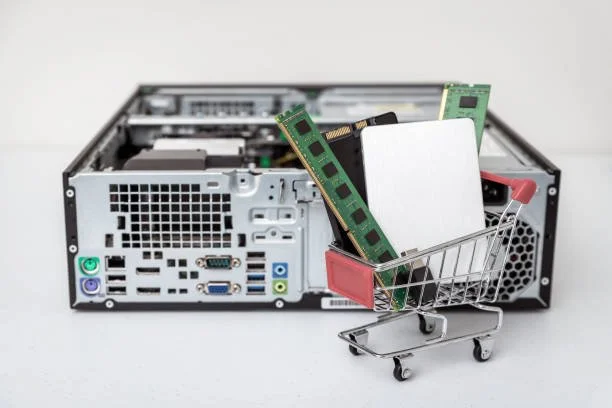
Businesses continuously upgrade their technology infrastructure to improve performance, security, and operational efficiency. As new equipment replaces older systems, organizations often have retired servers, storage devices, networking hardware, and other IT assets that still hold value. A professional IT hardware buyback process helps businesses recover financial value from retired equipment while supporting secure asset management practices.
IT hardware buyback allows enterprises to manage outdated equipment responsibly by combining asset recovery, secure processing, and resale opportunities. A structured approach helps organizations reduce waste, improve lifecycle management, and maximize returns from existing technology investments.
Why Is IT Hardware Buyback Important for Modern Enterprises?
Enterprise hardware represents a significant investment, and proper management of retired equipment helps organizations recover value while maintaining responsible technology practices.
The Growing Need to Recover Value From Retired IT Infrastructure
As businesses upgrade their IT environments, older equipment often becomes unused or replaced. Instead of allowing valuable hardware to remain inactive, organizations can use buyback programs to recover returns from these assets.
Professional buyback solutions help identify reusable equipment and provide businesses with opportunities to maximize the value of retired infrastructure.
Reducing Waste and Improving Enterprise Hardware Lifecycle Management
Effective hardware lifecycle management ensures that technology assets are handled properly from deployment through retirement. IT hardware buyback supports this approach by extending equipment usability and reducing unnecessary electronic waste.
A responsible recovery process helps businesses maintain better control over their technology resources.
What Is IT Hardware Buyback and How Does It Work?
IT hardware buyback is a process where businesses sell retired or surplus equipment to professional buyers who evaluate, recover, and resell valuable components.
Understanding the Process of Selling Retired Enterprise Equipment
The buyback process usually begins with hardware assessment and valuation. Buyers review equipment specifications, condition, age, and market demand before determining resale potential.
After evaluation, equipment is securely collected, processed, and prepared for resale or responsible recycling.
How Buyback Programs Help Businesses Recover Hardware Value
Buyback programs help organizations transform unused technology assets into valuable resources. Instead of storing outdated equipment, businesses can recover financial returns while ensuring hardware is handled securely.
These programs also simplify the process of managing retired IT infrastructure.
What Factors Determine the Value of Enterprise Hardware?
Several factors influence the value of retired enterprise equipment. Professional buyers analyze technical details and market conditions to provide accurate assessments.
Evaluating Equipment Condition, Age, and Market Demand
The physical condition and age of hardware directly impact resale value. Buyers evaluate equipment quality, operational status, maintenance history, and current market demand.
Hardware that remains compatible with modern requirements often has stronger recovery potential.
Assessing Server Specifications, Components, and Performance
Server specifications play an important role in determining equipment value. Buyers review processors, memory capacity, storage options, networking features, and other components.
High-performing equipment with valuable components can provide better returns during the buyback process.
Understanding the Impact of Hardware Lifecycle on Resale Value
The stage of a hardware asset’s lifecycle affects its market value. Newer equipment generally has greater resale potential, while older systems may have value through individual component recovery.
Understanding lifecycle value helps businesses make informed decisions about equipment retirement.
How Does Enterprise Hardware Resale Help Businesses Maximize Returns?
Enterprise hardware resale allows organizations to recover value from retired assets while supporting efficient IT management.
Extending the Usable Life of Valuable IT Equipment
Many enterprise components remain functional beyond their initial deployment period. Resale programs help extend the useful life of these assets by transferring them into secondary markets.
This approach supports better resource utilization and reduces unnecessary disposal.
Creating Revenue Opportunities From Surplus Enterprise Assets
Surplus equipment can represent a valuable opportunity for businesses. Professional resale channels allow organizations to recover returns from unused servers, storage systems, and networking hardware.
A structured approach ensures assets are evaluated properly and processed securely.
What Role Does Asset Recovery Play in IT Hardware Management?
Asset recovery focuses on recovering value from retired technology while maintaining security and responsible handling procedures.
Recovering Value From Retired Servers, Storage, and Networking Equipment
Asset recovery programs help businesses identify valuable components within retired infrastructure. Servers, storage devices, memory modules, and networking equipment can often be evaluated for resale or reuse.
This process helps organizations improve returns from existing technology investments.
Supporting Responsible Asset Management During Technology Upgrades
Technology upgrades require careful planning to manage replaced equipment effectively. Asset recovery supports responsible retirement processes by ensuring hardware is evaluated, secured, and processed correctly.
This helps businesses maintain better control over their technology lifecycle.
Why Should Data Center Operators Consider Certified Buyback Programs?
Data centers manage large amounts of technology equipment that requires efficient retirement strategies. Certified buyback programs provide structured solutions for handling large volumes of enterprise hardware.
Managing Large Volumes of Data Center Equipment Efficiently
Data center environments often include servers, storage systems, and networking equipment that require professional handling during retirement.
Certified buyback programs help streamline collection, evaluation, and processing while maintaining security standards.
Ensuring Secure Processing and Responsible Hardware Recovery
Secure processing ensures retired equipment is handled correctly from collection through final recovery. Professional programs follow established procedures to protect business information and maximize hardware value.
How Does a Certified Buyback Process Protect Enterprise Data?
Data security is a critical part of IT hardware buyback. Before equipment is transferred, businesses must ensure that sensitive information is properly removed and assets are processed through secure procedures.
Secure Data Handling Before Equipment Resale
Retired enterprise equipment may contain confidential business information stored on servers, storage devices, and other components. A certified buyback process includes secure data handling practices to reduce the risk of unauthorized access.
Proper data removal ensures that hardware can be resold or recycled without exposing sensitive information. Businesses should work with providers that follow documented security procedures for data processing.
Maintaining Compliance Through Proper Asset Processing Procedures
Organizations must maintain proper records and follow security requirements when retiring IT equipment. Certified buyback programs support compliance by providing asset tracking, documentation, and secure processing methods.
A structured approach helps businesses maintain accountability throughout the equipment recovery process.
What Types of Enterprise Equipment Can Be Included in Buyback Programs?
IT hardware buyback programs can support various types of enterprise equipment. Businesses can recover value from multiple technology assets through professional evaluation and resale processes.
Recovering Value From Servers, Memory, Storage, and Network Hardware
Enterprise equipment eligible for buyback may include servers, memory modules, storage devices, processors, networking equipment, and other IT components.
Professional buyers evaluate each asset individually to determine resale potential and recovery value.
Evaluating Different IT Assets for Resale Potential
Every hardware asset has different value based on specifications, condition, and market demand. A detailed assessment helps businesses identify which equipment can be resold, reused, or recycled.
Proper evaluation improves recovery outcomes and supports efficient asset management.
How Can Businesses Prepare Equipment for IT Hardware Buyback?
Proper preparation helps businesses achieve accurate valuations and smoother buyback transactions.
Creating Hardware Inventory and Asset Documentation
Before starting a buyback process, businesses should create detailed inventory records of available equipment. Documentation should include hardware models, specifications, configurations, and asset information.
Complete records help buyers provide accurate assessments and improve transparency during the evaluation process.
Completing Data Removal and Equipment Preparation
Data removal should be completed before equipment leaves the organization. Businesses should ensure that storage devices and other components are securely processed to protect sensitive information.
Equipment preparation also includes cleaning, organizing, and confirming hardware details before collection.
Organizing Hardware for Secure Collection and Evaluation
Proper organization makes the collection process more efficient. Businesses should group equipment, prepare documentation, and ensure assets are ready for professional assessment.
A well-managed collection process reduces delays and supports secure transportation.
What Should Enterprises Look for in an IT Hardware Buyback Partner?
Choosing the right buyback partner is important for maximizing returns while maintaining security standards.
Evaluating Industry Experience and Hardware Assessment Capabilities
Businesses should select providers with experience evaluating enterprise hardware. Knowledge of servers, storage systems, memory components, and networking equipment allows buyers to provide accurate valuations.
Experienced providers understand market conditions and can identify the best recovery opportunities.
Understanding Security Standards, Reporting, and Recovery Processes
A reliable buyback partner should provide clear information about security procedures, asset tracking, reporting, and recovery methods.
Understanding these processes helps businesses choose partners that prioritize data protection and responsible asset management.
How Does RAM Exchange Support Enterprise Hardware Resale and Asset Recovery?
Businesses need specialized partners that understand enterprise equipment valuation, secure processing, and resale opportunities. Ram Exchange helps organizations recover value from retired IT assets through professional hardware assessment and buyback solutions.
Providing Certified Buyback Solutions for Retired IT Equipment
RAM Exchange supports businesses with professional buyback services designed to evaluate and recover value from retired enterprise equipment. Their approach helps organizations manage surplus hardware while maintaining secure processing practices.
By combining technical expertise with asset recovery solutions, RAM Exchange helps businesses improve the efficiency of their hardware lifecycle management.
Helping Businesses Maximize Returns From Enterprise Hardware Assets
Maximizing returns from retired equipment requires accurate valuation, secure handling, and knowledge of current market demand. RAM Exchange helps businesses identify the value of their unused technology assets.
Organizations can also explore responsible IT hardware recycling solutions to ensure retired equipment is processed securely while supporting better asset management practices.
Conclusion
IT hardware buyback provides businesses with an effective way to recover value from retired enterprise equipment while maintaining secure asset management practices. A successful buyback process includes accurate hardware valuation, secure data handling, professional assessment, and responsible recovery procedures.
By working with experienced buyback partners, businesses can maximize returns from servers, storage devices, memory components, and other IT assets. A structured approach helps organizations reduce waste, improve technology lifecycle management, and protect sensitive information throughout the retirement process.
FAQs
1. What is IT hardware buyback?
IT hardware buyback is a process where businesses sell retired or surplus technology equipment to professional buyers who evaluate, recover, and resell valuable IT assets.
2. Why should businesses use IT hardware buyback programs?
Businesses use buyback programs to recover financial value from retired equipment, reduce electronic waste, and manage IT assets more efficiently.
3. What equipment can be included in an IT hardware buyback program?
IT hardware buyback programs can include servers, memory modules, storage devices, processors, networking equipment, and other enterprise technology assets.
4. How does IT hardware buyback protect business data?
Professional buyback programs protect data through secure handling procedures, data removal practices, asset tracking, and documented processing methods.
5. How does RAM Exchange help businesses with hardware recovery?
RAM Exchange helps businesses evaluate, recover, and resell retired IT equipment through professional buyback solutions designed to maximize asset value securely.