PC RAM Buyback Guide: How Much Is Your Memory Worth?
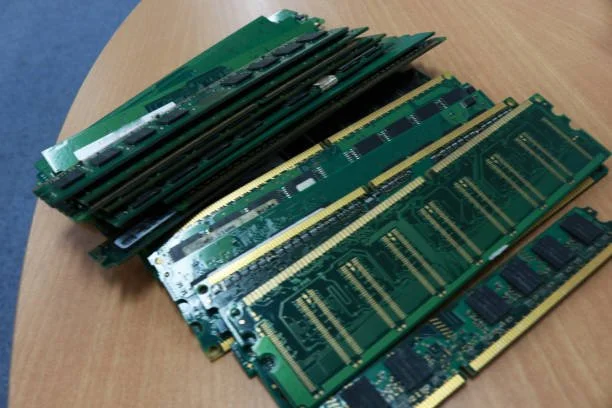
Upgrading desktop computers often leaves businesses and individuals with memory modules that are no longer needed but still have considerable resale value. Instead of storing unused RAM or disposing of it, many sellers choose a PC RAM buyback service to recover value from their hardware. Whether you have a single memory module or a large inventory of desktop RAM, understanding how buyback programs work can help you maximize returns while ensuring a secure and hassle free selling experience.
What Is a PC RAM Buyback Program?
A PC RAM buyback program allows businesses, IT departments, computer repair shops, and individual sellers to exchange used desktop memory for cash. Professional buyers evaluate each memory module based on its specifications, condition, functionality, and current market demand before providing a competitive offer.
Unlike private marketplaces where listings can remain active for weeks, buyback programs provide a straightforward process that eliminates much of the uncertainty involved in selling used hardware.
How RAM Buyback Services Work
The process typically begins with submitting information about the memory modules you want to sell. This includes details such as memory type, capacity, speed, manufacturer, and quantity. Once this information is reviewed, the buyer provides an initial quotation.
After the RAM is received, technicians inspect and test each module to verify its condition and functionality. The final value is then confirmed, and payment is processed according to the agreed terms. Professional buyback companies also provide guidance throughout the transaction, making the process efficient and transparent.
Why Selling Used Desktop Memory Makes Financial Sense
Desktop RAM often retains value because many organizations continue maintaining existing computer systems instead of replacing every workstation at once. Businesses performing phased hardware upgrades frequently require compatible memory modules to expand or maintain older machines.
Selling unused RAM also helps reduce electronic waste while generating funds that can be invested in newer hardware. Rather than allowing components to lose value over time, timely resale allows sellers to benefit from current market demand.
What Types of PC RAM Can You Sell?
Many desktop memory modules continue to have resale value across different industries and computing environments.
DDR3, DDR4, DDR5, and Other Desktop Memory Modules
Professional buyers commonly purchase DDR3, DDR4, DDR5, ECC memory, non ECC memory, workstation memory, and other desktop memory configurations. Different generations remain valuable because organizations often support mixed hardware environments where legacy and modern systems operate together.
High capacity modules and enterprise grade memory typically attract stronger demand, especially when they are compatible with professional workstations and business computers.
Factors That Make Certain RAM More Valuable
Several characteristics influence how desirable a memory module is within the resale market. These include:
Higher memory capacity
Faster operating speeds
Well known manufacturers
Error correcting capabilities
Excellent physical condition
Verified testing results
Around this stage, many sellers choose Ram Exchange because they specialize in evaluating desktop memory accurately and provide competitive offers backed by transparent testing procedures.
What Determines the Value of Your PC RAM?
Understanding valuation factors helps sellers estimate the potential return before requesting a quote.
Capacity, Speed, Brand, and Memory Specifications
Memory capacity is one of the most significant pricing factors. Modules with larger capacities generally command stronger resale prices because they remain useful for demanding business applications.
Speed ratings also affect value. Faster memory supports better overall system performance, making it more desirable in both workstation and enthusiast markets. Additionally, memory produced by well established manufacturers often maintains stronger demand because buyers recognize consistent quality and compatibility.
Condition, Testing Results, and Current Market Demand
Physical condition directly impacts resale value. Clean modules with undamaged connectors and intact labels are generally easier to evaluate and resell.
Functional testing is equally important. Buyers prefer fully operational memory that has successfully completed diagnostic testing, reducing uncertainty during the evaluation process.
Current market demand also changes over time as new computer platforms are introduced and older technologies gradually become less common. Sellers who understand these trends are often able to maximize the value of their hardware by choosing the right time to sell.
How to Prepare Your Desktop RAM for Buyback
Proper preparation improves both the accuracy of the evaluation and the likelihood of receiving the best possible offer.
Identifying the Correct RAM Specifications
Before requesting a quote, identify each memory module carefully. Important information includes memory generation, capacity, speed rating, manufacturer, part number, voltage, and whether the module uses ECC technology.
Recording these specifications allows buyers to provide more accurate estimates while reducing delays during inspection.
Inspecting, Testing, and Packaging Memory Modules
Inspect every module for visible damage such as cracked circuit boards, bent contacts, or missing labels. If possible, test the memory using compatible hardware or diagnostic software to verify proper operation.
When shipping RAM, place each module inside an anti static bag before using protective packaging. Proper packaging reduces the risk of damage during transportation and helps preserve resale value.
When Is the Best Time to Sell PC RAM?
Timing has a major influence on buyback pricing.
Selling Before Memory Technology Depreciates
Memory technology evolves rapidly. As newer generations become more widely adopted, demand for older modules gradually decreases. Selling unused RAM soon after upgrading your computers often results in stronger offers because market demand remains higher.
Taking Advantage of Market Demand and Hardware Upgrades
Large business refresh cycles, workstation upgrades, and increased demand for compatible replacement memory can temporarily strengthen pricing for certain RAM models. Monitoring these trends helps sellers maximize returns.
Common Mistakes to Avoid When You Sell Desktop RAM
Avoiding simple mistakes can improve both pricing and transaction speed.
Misidentifying Memory Modules and Specifications
Incorrect model numbers or inaccurate capacity information may delay evaluations or result in revised quotations. Double checking specifications before requesting a quote helps avoid confusion.
Waiting Too Long to Sell or Shipping Without Protection
Unused memory loses value as technology advances. Delaying a sale can reduce resale potential, while inadequate packaging may cause shipping damage that lowers the final offer.
Sell PC RAM Yourself or Use a Professional Buyback Service?
Comparing Private Sales With RAM Buyback Companies
Private marketplaces may offer flexibility but often require creating listings, communicating with multiple buyers, negotiating prices, and arranging shipping. Professional buyback companies provide a much simpler process with faster evaluations and direct payment.
Benefits of Working With a Trusted Memory Buyer
Businesses that require efficient asset recovery often prefer professional services because they provide consistent pricing, experienced evaluations, secure shipping guidance, and reliable customer support throughout the transaction.
Organizations interested in a complete memory buyback solution can also sell laptop memory alongside desktop modules, making it easier to recover value from multiple hardware categories during one transaction.
How to Choose the Right PC RAM Buyback Company
What to Look for Before Accepting an Offer
Choose a buyer with proven industry experience, transparent pricing, knowledgeable evaluation teams, secure handling procedures, and positive customer feedback. A clear buying process reduces uncertainty and builds confidence throughout the transaction.
Why Sellers Choose RAM Exchange for PC RAM Buyback
Competitive Offers and Accurate Memory Evaluations
RAM Exchange evaluates desktop memory using current market demand, verified specifications, and functional testing. This comprehensive approach helps sellers receive fair and competitive offers based on the true value of their hardware.
Fast, Secure, and Transparent Buyback Process
From the initial quotation to final payment, RAM Exchange provides professional communication, efficient evaluations, secure handling, and transparent pricing. Their streamlined process allows businesses and individuals to recover value from unused desktop memory with confidence.
Conclusion
Selling desktop RAM through a professional buyback service is an effective way to recover value from unused hardware while supporting responsible technology reuse. Understanding memory specifications, preparing modules correctly, and choosing an experienced buyer all contribute to a successful transaction. By selling before technology depreciates and working with a trusted company, sellers can maximize returns while enjoying a secure and efficient process.
Ready to turn your unused desktop memory into value? Get Your Quote today and discover how easy it is to sell your PC RAM with RAM Exchange.
FAQs
1. What types of desktop RAM can be sold?
Most buyers accept DDR3, DDR4, DDR5, ECC, non ECC, workstation, and other compatible desktop memory modules.
2. What affects the resale value of desktop RAM?
Capacity, speed, manufacturer, memory type, physical condition, functional testing, and current market demand all influence pricing.
3. Should I test my RAM before selling it?
Yes. Functional testing helps verify performance and can support a more accurate valuation during the buyback process.
4. Is professional RAM buyback better than selling privately?
Professional buyback services usually provide faster evaluations, transparent pricing, simplified transactions, and quicker payment than private marketplaces.
5. When is the best time to sell unused PC RAM?
The ideal time is soon after upgrading your computer systems, before newer memory technologies reduce the resale value of older modules.