How to Sell Used Server Hardware Securely and Profitably
Businesses regularly upgrade their IT infrastructure to improve performance, increase storage capacity, and support modern workloads. As a result, retired servers, storage devices, and networking equipment often remain unused even though they still have significant resale value. Knowing how to sell used server hardware securely helps businesses recover part of their technology investment while ensuring sensitive information is properly protected. A well planned resale process also supports sustainable IT asset management by extending the useful life of enterprise hardware.
Why Businesses Sell Used Server Hardware
Server hardware is a valuable business asset that continues to hold demand after it has been removed from production. Instead of storing outdated equipment or disposing of it, many organizations choose to recover value through professional buyback services.
Common Reasons for Server Refresh and IT Upgrades
Technology evolves rapidly, and businesses must regularly upgrade their infrastructure to meet changing operational requirements. Higher processing power, increased storage capacity, better energy efficiency, virtualization, and cloud integration are some of the reasons organizations replace older servers. Many businesses also refresh hardware to maintain vendor support, improve cybersecurity, and reduce maintenance costs associated with aging equipment.
While older servers may no longer meet internal performance requirements, they often remain valuable to companies operating compatible infrastructure or supporting legacy applications.
Benefits of Recovering Value From Retired Equipment
Selling retired server hardware allows businesses to recover capital that can be reinvested into new technology purchases. It also reduces storage requirements and simplifies inventory management by removing unused equipment from data centers and storage facilities.
Professional IT asset recovery also supports environmental sustainability by extending the lifecycle of enterprise hardware. Rather than allowing equipment to become electronic waste, businesses can help maximize its useful life through responsible resale.
What Types of Used Server Hardware Can Be Sold?
Many organizations are surprised by the variety of enterprise equipment that continues to generate strong resale demand.
Servers, Storage Systems, and Networking Equipment
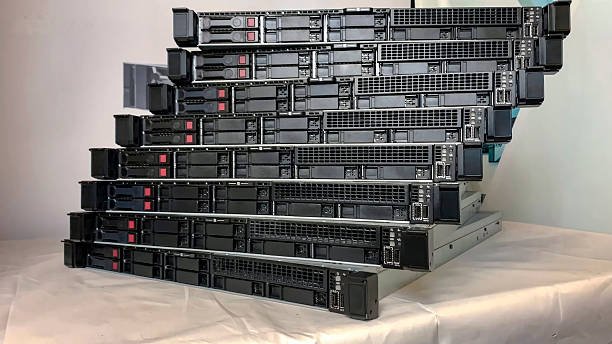
Rack servers, tower servers, blade servers, storage arrays, SAN systems, NAS devices, switches, routers, and other networking equipment are frequently purchased in the secondary market. Businesses expanding existing infrastructure often prefer compatible pre owned equipment because it offers significant cost savings compared to purchasing new hardware.
Organizations replacing complete data center environments can often sell multiple categories of equipment through a single buyback provider, simplifying the entire asset recovery process.
Enterprise Components That Retain High Resale Value
Individual enterprise components may also retain considerable value. Processors, memory modules, RAID controllers, power supplies, network interface cards, SSDs, hard drives after certified data destruction, and expansion cards often remain in demand.
The value of these components depends on compatibility, manufacturer, specifications, and current market demand. Enterprise grade hardware from leading manufacturers generally commands stronger resale prices because businesses continue requiring replacement components for existing systems.
Around this stage of evaluating retired equipment, many organizations choose Ram Exchange because of their experience in purchasing enterprise servers, components, and IT hardware while providing transparent evaluations and competitive pricing.
How to Prepare Used Server Hardware for Sale
Proper preparation improves both security and resale value. Businesses that organize their equipment before requesting a quote typically experience a faster and more efficient selling process.
Secure Data Removal Before Asset Disposal
Protecting sensitive information should always be the highest priority before selling any server hardware. Storage devices may contain confidential business records, customer information, financial data, proprietary software, or internal documentation that must be permanently removed.
Certified data erasure methods should be performed according to recognized industry standards before equipment leaves your facility. When required by company policy or regulatory requirements, businesses may also choose physical drive destruction for storage devices that cannot be securely sanitized.
Maintaining documentation confirming secure data removal provides additional confidence throughout the asset disposal process while supporting internal compliance requirements.
Testing, Inventory Documentation, and Equipment Evaluation
Before selling, create a detailed inventory that includes server model numbers, serial numbers, processor configurations, installed memory, storage capacity, network components, and overall hardware specifications. Accurate documentation helps buyers provide faster and more precise quotations.
Testing equipment before shipment is equally important. Verifying that servers power on correctly and confirming the functionality of installed components allows buyers to evaluate hardware more efficiently. Equipment that is clean, complete, and properly documented often receives stronger buyback offers because it reduces inspection time and uncertainty.
Preparing servers with organized asset records, clear labeling, and secure packaging also minimizes the risk of shipping damage and ensures the evaluation process proceeds smoothly.
Factors That Affect the Value of Used Servers
The resale value of server hardware depends on several technical and market-related factors. Understanding these variables helps businesses estimate the potential return from retired equipment and determine the best time to sell.
Brand, Configuration, Age, and Hardware Specifications
Enterprise servers from well known manufacturers generally retain stronger resale value because replacement parts and compatible systems remain in demand. Server configuration also has a direct impact on pricing. Systems equipped with high performance processors, larger memory capacities, enterprise SSDs, and advanced networking components are typically more valuable than entry level configurations.
Age is another important consideration. While older equipment can still have resale value, newer server generations usually attract greater interest because they support current operating systems, virtualization platforms, and enterprise applications. Hardware specifications such as processor generation, memory type, storage capacity, and expansion capabilities all contribute to the final buyback offer.
Physical Condition, Functionality, and Market Demand
Physical appearance reflects how well equipment has been maintained throughout its lifecycle. Servers with clean chassis, intact components, and minimal cosmetic wear generally create a better impression during inspection. Functional testing is equally important because buyers place higher value on equipment that has been verified to operate correctly.
Market demand changes over time as businesses adopt newer technologies. Certain server models remain highly desirable because they continue supporting production environments, while others gradually decline in value as replacement cycles accelerate. Selling equipment before demand decreases often results in better returns.
How to Sell Used Servers Safely
Protecting business information and maintaining accurate records are essential when disposing of enterprise hardware. A structured selling process reduces security risks while ensuring compliance with internal policies and industry regulations.
Protecting Sensitive Business Data Throughout the Process
Even after servers are removed from production, they may still contain storage devices with valuable business information. Organizations should establish secure handling procedures from the moment equipment is decommissioned until ownership is transferred. Certified data sanitization, proper chain of custody, and documented asset handling help reduce security risks throughout the resale process.
Businesses should also verify how the buyer manages equipment after collection. Working with experienced IT asset recovery specialists provides greater confidence that hardware will be processed according to professional standards.
Maintaining Proper Asset Records and Documentation
Accurate documentation simplifies both financial reporting and IT asset management. Maintaining records of serial numbers, asset tags, hardware specifications, testing results, and data removal certificates creates a transparent disposal process. These records also assist with inventory reconciliation and future technology planning.
Organizations with large data center environments often benefit from maintaining centralized asset databases that simplify hardware refresh projects and resale activities.
Sell Directly or Work With Used Server Buyers?
Businesses generally have two options when selling retired server equipment. They can manage individual private sales or work with professional IT hardware buyers.
Comparing Private Sales With Professional Buyback Services
Private sales may appear attractive because sellers negotiate directly with buyers. However, this approach often requires significant time to create listings, communicate with multiple buyers, arrange inspections, negotiate pricing, and manage shipping logistics. Businesses may also encounter payment risks and inconsistent buyer reliability.
Professional buyback companies simplify the process by evaluating equipment, providing competitive offers, coordinating logistics, and completing transactions efficiently. This approach is particularly beneficial for organizations selling multiple servers or complete infrastructure upgrades.
Benefits of Choosing Experienced IT Hardware Buyers
Experienced buyers understand enterprise hardware, current market values, and compatibility requirements. Their technical expertise allows them to evaluate equipment accurately while providing transparent pricing based on actual market demand.
Organizations looking to sell used server memory alongside processors, storage systems, and complete servers can also benefit from consolidating multiple hardware categories into a single buyback transaction. This reduces administrative effort while streamlining the overall asset recovery process.
Common Mistakes to Avoid When Selling Used Server Hardware
Several common mistakes can reduce resale value or create unnecessary complications during the selling process.
Delaying the Sale Until Equipment Loses Value
Technology depreciates as newer hardware generations enter the market. Waiting too long before selling retired servers often results in lower buyback offers because demand gradually shifts toward newer platforms. Planning hardware disposal shortly after infrastructure upgrades helps maximize resale value.
Overlooking Data Security and Accurate Asset Valuation
Failing to remove sensitive data securely represents one of the most significant risks during IT asset disposal. Businesses should never assume storage devices are safe simply because servers are no longer in use. In addition, accepting offers without understanding current market value may result in lower returns than the equipment deserves.
Choosing a Reliable Used Server Buyer
Selecting the right buyer plays an important role in achieving a secure and profitable transaction.
What to Look for in a Trusted IT Asset Buyer
Choose a company with extensive experience purchasing enterprise hardware, transparent evaluation procedures, secure asset handling practices, and strong customer reviews. A reliable buyer should provide detailed quotations, explain the evaluation process clearly, and maintain professional communication throughout every stage of the transaction.
Why Businesses Choose RAM Exchange
Organizations across multiple industries rely on RAM Exchange because of their specialized knowledge of enterprise IT hardware and commitment to secure asset recovery.
Competitive Pricing for Used Server Hardware
RAM Exchange evaluates server hardware based on current market demand, technical specifications, component configurations, and verified functionality. This detailed assessment helps businesses receive competitive offers that accurately reflect the value of their equipment.
Secure, Transparent, and Efficient IT Hardware Buyback Services
From initial evaluation through final payment, RAM Exchange provides a streamlined buyback process focused on security, transparency, and efficiency. Their experienced team helps organizations recover value from retired servers while supporting responsible IT asset management practices.
Conclusion
Selling used server hardware is an effective way for businesses to recover value from retired IT assets while supporting secure and responsible technology lifecycle management. Proper preparation, certified data removal, accurate inventory documentation, and working with an experienced buyback company all contribute to a successful transaction. By selling equipment before market demand declines and choosing a trusted IT asset recovery partner, businesses can maximize their return while simplifying future infrastructure upgrades.
Ready to recover value from your retired server equipment? Get Your Quote today and let RAM Exchange provide secure, transparent, and competitive IT hardware buyback services.
FAQs
1. What types of server hardware can be sold?
Businesses can sell rack servers, tower servers, blade servers, storage systems, networking equipment, processors, memory modules, SSDs, power supplies, and many other enterprise components.
2. How should I prepare servers before selling them?
Remove all sensitive data securely, test hardware functionality, create a complete inventory, document specifications, and package equipment properly for safe transportation.
3. What factors determine server resale value?
Brand, age, processor configuration, memory capacity, storage, physical condition, functionality, and current market demand all influence buyback pricing.
4. Why is certified data removal important?
Certified data removal helps protect confidential business information, supports regulatory compliance, and reduces security risks during IT asset disposal.
5. Is it better to sell directly or use a professional buyback company?
Professional buyback companies typically provide faster evaluations, secure handling, transparent pricing, and a simpler selling process, especially for businesses with multiple enterprise assets.