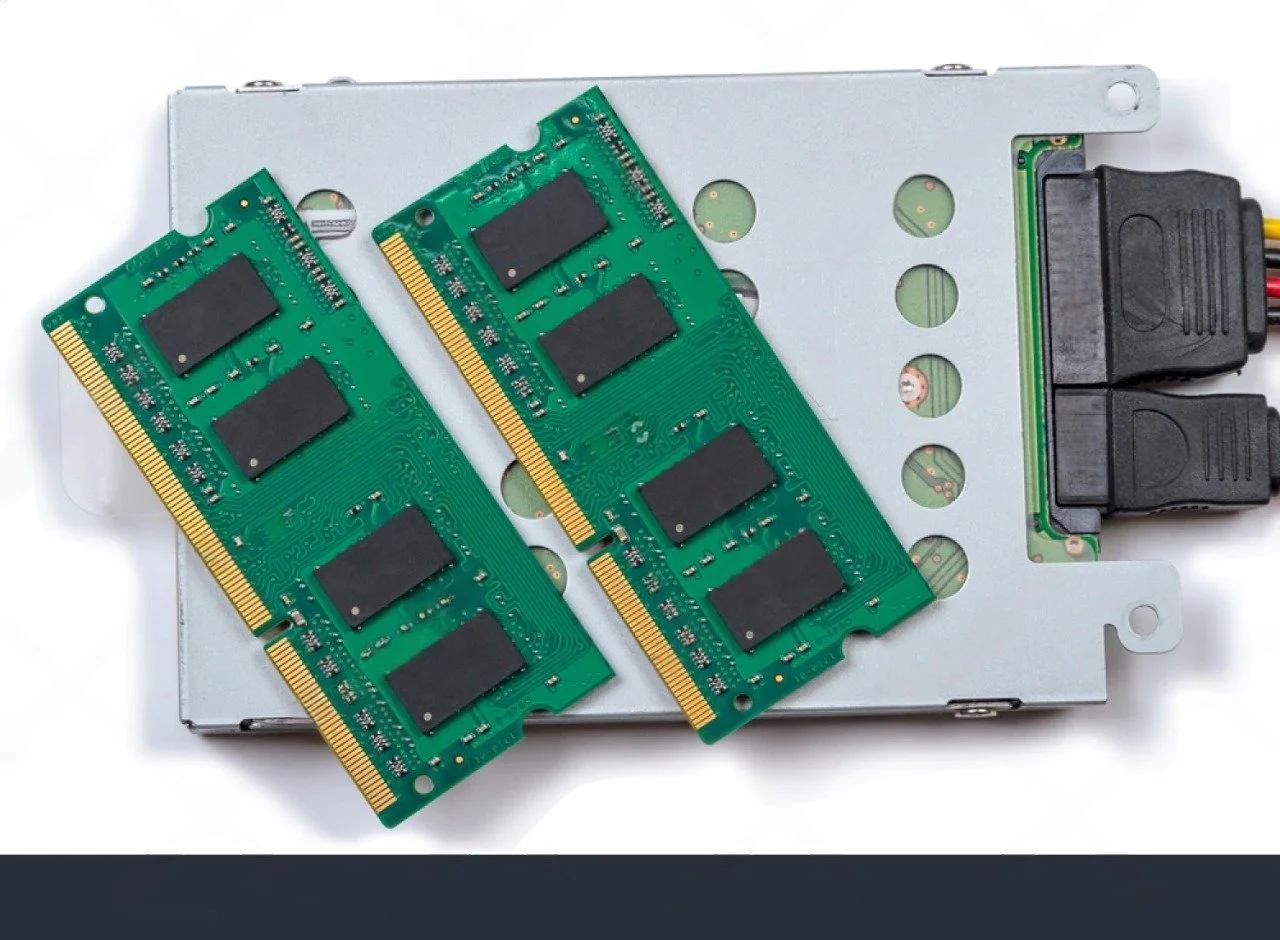

Enterprise servers are expected to deliver consistent performance, support growing workloads, and maintain business continuity without interruption. One of the most important components that determines server efficiency is memory. Selecting the right Cisco UCS memory helps businesses maximize server performance, improve application responsiveness, and prepare their infrastructure for future growth. Whether you are upgrading an existing Cisco UCS server or planning a new deployment, understanding compatibility, capacity, and performance requirements will help you make a more informed investment.
Why Is Choosing the Right Cisco UCS Memory Important?
Memory is responsible for storing the data that processors need immediate access to. The right memory configuration allows servers to process workloads efficiently while maintaining stability across business-critical environments.
How Memory Affects Server Performance and Reliability
Insufficient or incompatible memory can slow application performance, increase latency, and reduce overall server efficiency. High-quality enterprise memory enables servers to handle larger workloads with greater consistency, improving system responsiveness and reducing the likelihood of unexpected interruptions. Reliable memory also contributes to long-term hardware stability by ensuring that applications receive the resources they need during peak usage.
Supporting Business Growth With Scalable Server Infrastructure
Business requirements continue to evolve as organizations expand their digital operations. Choosing memory that supports future upgrades allows businesses to scale server infrastructure without replacing entire systems. Planning for future capacity helps reduce long-term costs while maintaining operational flexibility.
What Is Cisco UCS Memory?
Cisco UCS memory is enterprise-grade RAM specifically designed for Cisco Unified Computing System servers. It supports the performance, reliability, and scalability required by modern enterprise environments.
Understanding Cisco UCS Server Memory Architecture
Cisco UCS servers are engineered to optimize processor and memory communication for maximum performance. Their memory architecture supports advanced configurations that improve bandwidth, increase processing efficiency, and enable servers to manage demanding workloads. Understanding your server’s architecture helps ensure that selected memory modules meet system specifications.
Key Features of Enterprise-Grade Cisco RAM Memory
Enterprise-grade Cisco memory offers high reliability, excellent compatibility, and consistent performance across mission-critical environments. Many configurations include advanced error correction capabilities that improve data integrity while reducing the risk of memory-related failures.
How Do You Choose Compatible Cisco UCS Memory?
Selecting compatible memory requires evaluating several technical specifications before purchasing new modules.
Identifying Your Cisco UCS Server Model
Every Cisco UCS server supports specific memory capacities, module types, and configurations. Identifying the exact server model allows businesses to determine which memory options are supported while avoiding compatibility issues during installation.
Understanding Memory Capacity and Configuration Limits
Each server platform has maximum supported memory capacities and recommended installation guidelines. Understanding these limitations helps organizations optimize performance while ensuring balanced memory configurations across processor channels.
Selecting the Correct Memory Type and Speed
Memory type, speed, and capacity all influence server performance. Choosing supported specifications ensures stable operation while allowing processors to utilize available memory bandwidth efficiently. Businesses seeking dependable enterprise memory solutions can rely on Ram Exchange for compatible products and expert guidance tailored to Cisco UCS environments.
What Factors Should You Consider Before Upgrading Cisco Server RAM?
Before purchasing new memory, businesses should evaluate operational requirements alongside future infrastructure goals.
Workload Requirements and Application Performance
Applications such as virtualization, cloud services, enterprise databases, analytics platforms, and collaboration tools require varying levels of memory resources. Understanding workload demands helps organizations select configurations capable of supporting both current operations and anticipated growth.
Future Scalability and Expansion Planning
Memory upgrades should support future expansion rather than simply addressing immediate needs. Installing sufficient capacity today can reduce future upgrade frequency while providing flexibility as workloads continue increasing.
Balancing Performance With Budget
Organizations should balance performance improvements with available budgets. Investing in compatible enterprise memory provides long-term value by extending server lifespan and improving operational efficiency without unnecessary hardware replacement.
How Does Upgrading Cisco UCS Memory Improve Server Performance?
Memory upgrades can produce measurable improvements across enterprise workloads when implemented correctly.
Increasing Processing Efficiency and Multitasking Capabilities
Additional memory enables processors to access more data simultaneously, allowing servers to manage multiple applications and users more efficiently. Improved multitasking enhances overall system responsiveness while supporting business productivity.
Supporting Virtualization, Databases, and Enterprise Applications
Virtualization platforms, enterprise databases, and business applications often require substantial memory resources to maintain consistent performance. Upgrading Cisco RAM memory helps these workloads process information more efficiently while reducing delays caused by limited memory availability.
What Common Mistakes Should Businesses Avoid When Purchasing Cisco RAM Memory?
Avoiding common purchasing mistakes helps maximize the return on memory investments while preventing deployment complications.
Choosing Incompatible Memory Modules
Installing unsupported memory modules may prevent servers from operating correctly or limit system performance. Businesses should always verify compatibility before making purchasing decisions.
Ignoring Firmware and Hardware Compatibility
Memory compatibility extends beyond physical specifications. Firmware versions, processor support, and motherboard requirements should all be reviewed to ensure successful deployment.
Overlooking Future Upgrade Requirements
Purchasing only enough memory for current workloads may create additional upgrade costs in the future. Planning ahead allows organizations to scale infrastructure more efficiently while reducing long-term expenses.
How Can Businesses Maximize the Lifespan of Cisco UCS Server Memory?
Proper installation and ongoing maintenance help enterprise memory deliver reliable performance throughout its operational life.
Following Best Practices for Installation
Memory should be installed according to manufacturer recommendations to maintain optimal performance and balanced memory channel configurations. Correct installation reduces compatibility issues while improving long-term stability.
Monitoring Performance and Maintaining System Stability
Regular system monitoring helps identify performance trends, memory utilization, and potential issues before they affect business operations. Ongoing maintenance also supports consistent server reliability and efficient resource utilization.
What Should You Look for in a Cisco UCS Memory Supplier?
Selecting the right supplier is essential for ensuring reliable products and dependable technical support.
Product Authenticity and Compatibility Expertise
Businesses should work with suppliers that specialize in enterprise memory and provide compatibility guidance for Cisco UCS platforms. Technical expertise helps eliminate uncertainty while ensuring the correct products are selected.
Inventory Availability, Warranty, and Technical Support
Reliable suppliers maintain extensive inventory, offer warranty protection, and provide technical assistance throughout the purchasing process. These services simplify infrastructure planning while supporting long-term business continuity.
Why Choose RAM Exchange as Your Cisco UCS Memory Supplier?
Choosing an experienced enterprise memory supplier helps organizations deploy reliable infrastructure with greater confidence.
Extensive Selection of Cisco UCS Server Memory Solutions
RAM Exchange offers a comprehensive selection of Cisco UCS memory solutions designed for enterprise servers, virtualization environments, and data centers. Businesses can access compatible products that meet a wide range of infrastructure requirements.
Trusted Compatibility Guidance and Enterprise Memory Expertise
With extensive experience supporting enterprise memory deployments, RAM Exchange provides compatibility expertise, dependable inventory, and professional guidance to help organizations select the right memory for both current and future business needs.
Conclusion
Choosing the right Cisco UCS memory requires careful consideration of server compatibility, workload requirements, future scalability, and overall business objectives. Investing in compatible enterprise memory improves processing efficiency, supports business-critical applications, and extends the value of existing server infrastructure. Partnering with a trusted supplier ensures access to quality products and expert guidance that simplify deployment while supporting long-term operational success.
Contact Our Experts to find the right Cisco UCS memory solution for your business.
FAQs
1. Why is Cisco UCS memory different from standard server memory?
Cisco UCS memory is designed and validated for Cisco Unified Computing System servers, ensuring compatibility, reliability, and optimized enterprise performance.
2. How can I identify the correct memory for my Cisco UCS server?
Identify your server model, review the supported memory specifications, verify maximum capacity, and confirm compatible memory speed before purchasing.
3. Does upgrading Cisco UCS memory improve virtualization performance?
Yes. Increasing available memory allows virtualization platforms to support more virtual machines while improving responsiveness and overall server efficiency.
4. What should businesses verify before purchasing Cisco RAM memory?
Businesses should confirm server model compatibility, supported memory type, speed, capacity, firmware requirements, and warranty coverage before placing an order.
5. Why should businesses buy Cisco UCS memory from a specialized supplier?
A specialized supplier provides compatibility expertise, enterprise-quality products, technical support, warranty protection, and reliable inventory that help ensure successful server upgrades.