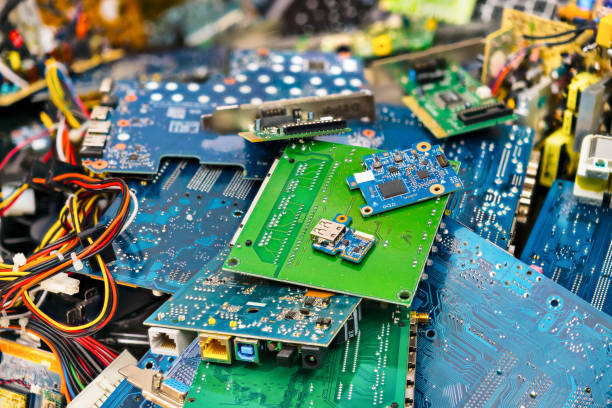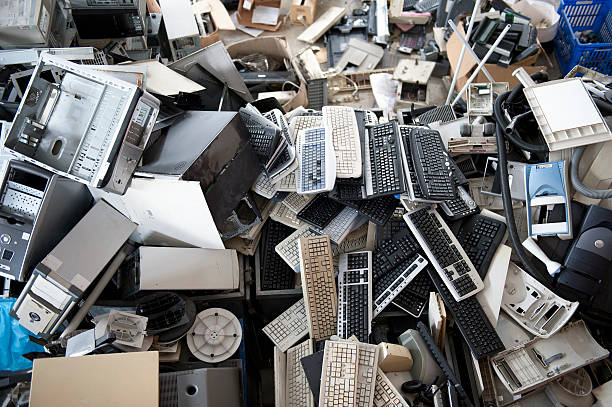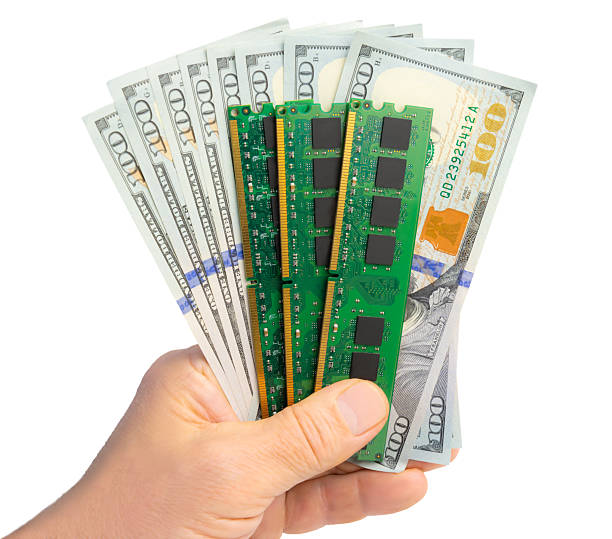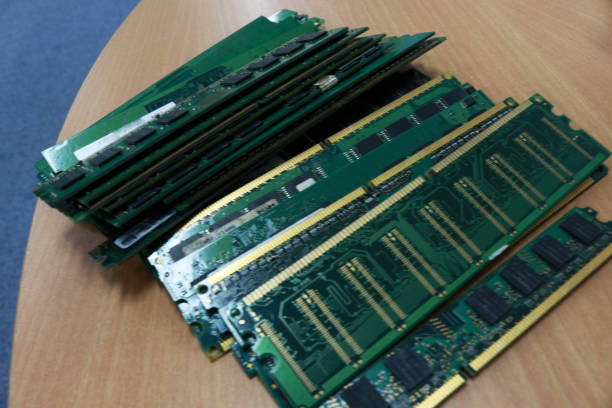

Enterprise computing environments move through rapid hardware refresh cycles. As data centers migrate to high-density compute nodes, upgrade hypervisor clusters, and transition to DDR5 architectures, IT departments find themselves holding trays of functional, high-density memory modules. Storing retired server and desktop DRAM in asset cages or storage closets leads to rapid balance-sheet depreciation. Choosing to sell computer memory through a structured IT asset disposition channel transforms idle silicon into recoverable working capital, offsets the cost of ongoing infrastructure expansions, and keeps valuable electronics out of the waste stream.
At Ram Exchange, we partner with corporate enterprises, colocation facilities, and IT asset managers to streamline the liquidation of enterprise hardware. Navigating the commercial memory secondary market requires more than just counting sticks. It requires serialized auditing, chain-of-custody tracking, parametric diagnostic validation, and certified e-waste compliance.
This comprehensive guide delivers a step-by-step roadmap for enterprise organizations looking to monetize decommissioned RAM safely, transparently, and profitably.
Why Enterprise Memory Liquidation Matters
Hardware components depreciate steadily once removed from active production. However, unlike storage drives that face data privacy liabilities or CPUs that tie directly to proprietary socket designs, system memory retains exceptional liquidity across secondary maintenance channels.
Enterprise asset reports from Human-I-T show that decommissioned hardware sheds between 3% and 5% of its remaining value per month once pulled from service, meaning that delayed disposition directly destroys recoverable budget. Liquidating assets within active refresh windows allows organizations to recoup substantial portions of their initial capital outlay.
Simultaneously, recovering computer hardware carries immense environmental urgency. Official findings in the Digital Economy Report published by the United Nations Conference on Trade and Development reveal that producing a single two-kilogram computer requires extracting a staggering 800 kilograms of raw geological materials, yet only 24% of global electronic waste is formally collected and recycled. Extending the operational lifespan of memory modules through secondary enterprise markets reduces the demand for primary mineral extraction, silicon smelting, and water-intensive wafer fabrication.
The Enterprise Memory Buyback Lifecycle
Professional hardware disposition follows an eight-stage technical workflow designed to protect asset value, ensure accountability, and deliver documented financial settlement.
Stage 1: Internal Inventory Audit & Part Categorization
Stage 2: RFP & Initial Valuation Quote
Stage 3: Anti-Static Packaging & Secure Chain-of-Custody Freight
Stage 4: Intake Verification & Serialized Reconciliation
Stage 5: Hardware Diagnostic & Parametric Stress Screening
Stage 6: Settlement Reporting & Grading Confirmation
Stage 7: Prompt Capital Disbursement
Stage 8: Certified E-Waste Recycling for Failed Components
Following this structured workflow ensures that IT organizations meet internal audit standards while capturing top-market pricing for their decommissioned inventory.
Step-by-Step Guide to Selling Enterprise Memory
Executing a successful memory liquidation project requires disciplined execution across four primary phases.
Phase 1: Conducting the Hardware Audit
Before contacting a buyback specialist, compile a complete inventory ledger. An itemized list allows valuation teams to model current secondary demand accurately:
- Manufacturer Part Numbers (MPNs): Record exact part numbers from module labels (such as M393A4K40CB2-CTD or HMA84GR7AFR4N-VK).
- Generation and Form Factor: Differentiate between server RDIMMs, LRDIMMs, workstation ECC UDIMMs, and client SO-DIMMs.
- Density and Speed: Document capacity per stick (e.g., 32GB, 64GB, 128GB) and native bus frequencies (e.g., 2666 MT/s, 3200 MT/s, 4800 MT/s).
- Batch Uniformity: Note whether modules originate from identical server racks with matching batch numbers, as uniform lots command higher valuation than mixed loose bins.
If you are sourcing replacement components to balance active nodes while planning your decommissioning schedule, you can review our extensive catalog of certified products to match exact OEM specifications.
Phase 2: Requesting Quotes and Establishing Chain of Custody
Submit your inventory manifest to qualified buyers to receive firm purchase offers. Once you accept an offer, secure logistics take priority:
- Electrostatic Discharge (ESD) Packaging: Memory must be packed in molded anti-static JEDEC trays or ESD-shielded bags. Placing bare modules into common plastic bags or cardboard boxes generates static charges that damage sensitive DRAM capacitors.
- Serialized Tracking: Use trackable logistics carriers that provide continuous location monitoring and proof-of-delivery signatures to maintain strict chain-of-custody compliance.
Phase 3: Facility Intake, Diagnostic Testing, and Grading
Upon arrival at the testing laboratory, technicians initiate full hardware intake:
- Physical Inspection: Checking for missing surface-mount capacitors, chipped silicon dies, or corroded edge fingers.
- Firmware Verification: Reading out the Serial Presence Detect (SPD) EEPROM to verify that internal timing tables match the physical label.
- Parametric Stress Testing: Running automated read/write memory training scripts across enterprise motherboards to verify that Error Checking and Correction (ECC) logic operates without parity faults.
Phase 4: Financial Settlement and Certified Disposition
Once testing wraps up, the buyer issues an itemized testing ledger detailing passed and failed units. Passing hardware is purchased directly, while defective or obsolete silicon is either returned or routed into certified electronics recycling streams with full documentation.
Valuation Factors: What Drives Enterprise Memory Pricing?
Secondary market pricing varies based on hardware architecture, density, and market demand.
| Module Type | Typical Architecture | Secondary Market Demand | Relative Buyback Valuation | Primary Value Driver |
| DDR5 Enterprise RDIMM | 32GB to 128GB+ (4800–5600 MT/s) | Exceptionally High | Premium | Active enterprise data center refresh demand |
| DDR4 Enterprise LRDIMM | 64GB to 128GB (2666–3200 MT/s) | High | Strong | Virtualization host memory balancing |
| DDR4 Enterprise RDIMM | 16GB to 32GB (2400–2933 MT/s) | Moderate to High | Steady / Volume | Broad maintenance market across enterprise fleets |
| DDR4 Client UDIMM / SO-DIMM | 8GB to 16GB (2400–3200 MT/s) | Moderate | Budget / Stable | Corporate laptop and desktop fleet repairs |
| Legacy DDR3 Modules | 4GB to 16GB (1333–1866 MT/s) | Low | Nominal / Scrap | Niche industrial support or raw metal recovery |
High per-DIMM densities (such as 64GB and 128GB modules) command significantly higher prices per gigabyte than lower-density modules because enterprise server motherboards have finite physical DIMM slots.
Maximize IT Capital Recovery with Ram Exchange
Recovering the maximum value from surplus enterprise hardware requires a trusted partner with proven technical expertise. Since 2006, Ram Exchange has delivered dependable memory distribution and comprehensive IT Asset Disposition (ITAD) services from Silicon Valley to corporate clients worldwide.
- Competitive Market Valuation: We leverage real-time global secondary market intelligence to deliver strong, fair buyback pricing across DDR3, DDR4, and cutting-edge DDR5 memory platforms.
- Rapid Diagnostic Turnaround: Our dedicated testing laboratory processes, verifies, and grades high-volume lots quickly to eliminate settlement delays.
- Certified Lifecycle Management: In addition to providing hardware buybacks, our certified ITAD division handles certified data sanitization and environmentally responsible recycling in full accordance with environmental standards.
- Seamless Disposition Experience: When your organization is ready to liquidate excess DRAM, you can sell to us through a transparent, documented process designed to maximize your hardware return on investment.
Secure Your Enterprise Memory Liquidation
Choosing to sell computer memory allows your enterprise to convert retired hardware into immediate liquidity, lower the total cost of server ownership, and fulfill corporate sustainability commitments. By conducting a clean audit, using ESD-safe packaging, and partnering with an experienced hardware buyer, your organization can retire legacy infrastructure with complete confidence.
If you are planning an upcoming hardware refresh or have surplus memory inventory ready for evaluation, contact our enterprise valuation specialists at Ram Exchange today to receive an itemized quote.
Frequently Asked Questions
What types of memory hold the highest buyback value?
High-density enterprise server modules hold the highest resale value on the secondary market. Specifically, 64GB, 128GB, and 256GB DDR4 and DDR5 registered DIMMs (RDIMMs and LRDIMMs) from Tier-1 silicon manufacturers like Samsung, Micron, and SK Hynix command premium buyback offers.
How should enterprise IT teams package memory modules for shipment?
Enterprise memory must always be packed in fitted anti-static trays (JEDEC clamshells) or individual ESD shielding bags. Stacked trays should be wrapped securely in bubble wrap and packed inside a rigid, double-walled corrugated box to prevent physical vibration, cracked circuit boards, or sheared surface-mount capacitors during transit.
What happens if some modules fail diagnostic testing?
Reputable memory buyers provide a detailed diagnostic report showing exact failure logs for any non-conforming modules. You receive full payment for all passing modules, while failed modules can either be returned to your facility or routed to certified e-waste recycling facilities with documented proof of recycling.
Can our organization sell mixed lots containing both desktop and server memory?
Yes. Professional buyback services accept mixed consignments containing server RDIMMs, workstation memory, desktop UDIMMs, and laptop SO-DIMMs. However, separating and labeling different module classes beforehand speeds up intake verification and testing.
How quickly does payment disburse after testing is completed?
Standard enterprise settlement times generally range from two to five business days following the delivery and diagnostic completion of your shipment. Payments are released promptly via electronic funds transfer (ACH), wire transfer, or corporate check depending on your accounting requirements.