Modern business operations rely on an expansive ecosystem of digital infrastructure. From corporate desktop towers and employee laptops to high-density data center racks and branch-office switches, technological refresh cycles occur faster than ever. However, once computing assets reach the end of their operational utility, managing their retirement becomes an acute operational challenge. Storing decommissioned machines in vacant conference rooms or paying for unmanaged warehouse pallets introduces severe security vulnerabilities, inventory tracking blind spots, and unnecessary asset depreciation. Implementing professional IT equipment recycling services is the most effective way for organizations to streamline end-of-life workflows, ensure strict data sanitization, and eliminate corporate liability.
At Ram Exchange, we help corporate enterprises, operations directors, and facility managers turn logistical disposal headaches into organized, value-generating asset recovery programs. Sourcing the right partner ensures that your retired infrastructure is decommissioned under strict chain-of-custody protocols while meeting federal and state e-waste regulations.
This comprehensive guide delivers practical strategies for businesses to simplify their end-of-life hardware management, protect sensitive corporate data, and maximize capital recovery from retired IT assets.
The Hidden Costs and Liabilities of Unmanaged IT Hardware
When enterprise machines are retired from frontline service, many companies treat their disposal as an afterthought. Allowing retired systems to linger in storage creates tangible financial and legal liabilities:
- Security Vulnerabilities: Retired storage drives, server controllers, and network switches often retain confidential corporate records, customer personally identifiable information (PII), or proprietary IP. Unsecured storage areas expose your business to insider threats and data leakage.
- Rapid Hardware Depreciation: Hardware value declines sharply once removed from production. Every month older hardware sits in a closet, secondary market demand shrinks, eroding potential buyback capital that could fund new deployments.
- Regulatory Penalties: Improper disposal of electronic equipment violates state and international hazardous waste laws. Municipalities impose heavy fines on companies that discard electronic components containing lead, mercury, or halogenated flame retardants into commercial trash streams.
Establishing structured business IT recycling workflows eliminates these risks by creating a standardized, repeatable procedure for retiring obsolete equipment.
Strategic Benefits of Certified Electronics Asset Recovery
Partnering with an experienced IT Asset Disposition (ITAD) specialist delivers operational, financial, and environmental advantages that extend across the entire enterprise.
Research published in the Global E-waste Monitor by the United Nations Institute for Training and Research highlights that global electronic waste reached 62 billion kilograms in a single year, with an estimated 91 billion dollars in unrecovered raw metals and valuable materials lost due to undocumented disposal. Certified recycling workflows ensure that viable assets return to secondary markets while unrecoverable materials are reclaimed through responsible smelting.
Direct Business Outcomes of Professional Hardware Disposition:
- Guaranteed Data Sanitization: Certified providers wipe media using multi-pass overwriting compliant with NIST SP 800-88 Rev. 1 guidelines or physically shred non-functional storage drives, eliminating data compromise risks.
- Streamlined Facilities and Storage: Reclaiming physical warehouse footprint reduces real estate overhead and keeps facilities organized.
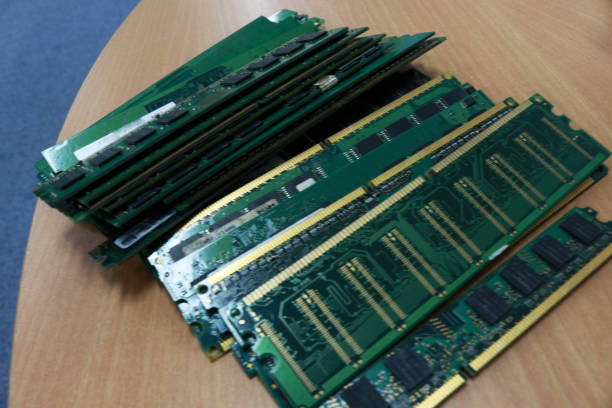
- Value Reclamation: Viable components such as high-density RAM modules, CPUs, power supplies, and enterprise graphics cards can be harvested and remarketed, transforming disposal expenses into revenue streams.
- Support for ESG Reporting: Verifiable certificates of recycling provide documentation for corporate sustainability reports, satisfying shareholder and auditor mandates.
When your technical staff needs to procure verified replacement components or balance memory configurations across active production nodes, you can review our extensive catalog of certified products to keep critical infrastructure running without delay.
Evaluating Disposition Pathways: Resale, Harvesting, and True Recycling
An effective hardware management program routes incoming assets into the appropriate disposition channel based on age, operational condition, and market demand.
| Disposition Pathway | Target Equipment Profile | Security and Processing Protocol | Primary Business Benefit |
| Asset Remarketing / Resale | Modern laptops, working servers, high-density DDR4/DDR5 memory modules | NIST-compliant data erasure, complete cosmetic inspection, and parametric stress testing | Recovers maximum capital to offset new hardware acquisitions |
| Component Harvesting | Obsolete or non-booting enterprise servers containing functional CPUs, RAM, or power supplies | De-manufacturing, sub-component diagnostic screening, cataloging | Yields spare parts inventory or modular secondary market revenue |
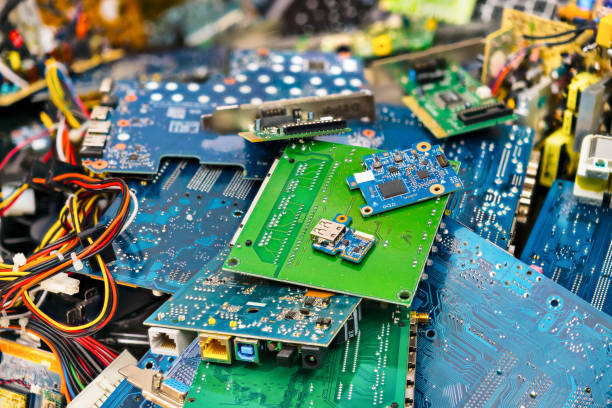
| Certified Electronics Recycling | Mechanically damaged circuit boards, cracked monitors, sheared PCBs, unreadable drives | Mechanical shredding, automated optical sorting, certified commodity refining | Ensures zero-landfill e-waste compliance and raw material recovery |
Categorizing equipment systematically allows businesses to separate high-value, reusable silicon from true commodity scrap, capturing the highest possible return on their initial investments.
A Step-by-Step Framework to Simplify End-of-Life Asset Management
Operations managers can take control of their hardware lifecycle by implementing this five-phase framework:
Phase 1: Establish a Centralized Hardware Inventory
Before scheduling a pickup, compile an itemized asset manifest. Document equipment types, manufacturer part numbers, serial numbers, form factors, and physical locations. Grouping similar assets together accelerates on-site intake and auditing.
Phase 2: Select a Certified Partner
Work exclusively with providers that carry recognized industry certifications, such as R2v3 or e-Stewards, alongside ISO 9001, ISO 14001, and ISO 45001. Certified providers adhere to strict environmental guidelines and operate transparently throughout downstream processing.
Phase 3: Secure Logistics and Chain of Custody
Ensure that retired hardware is transported securely:
- Use tamper-evident seals on transit pallets or secure bins.
- Pack sensitive circuit boards and memory modules in anti-static clamshell trays to prevent physical contact damage.
- Demand serialized bills of lading and GPS-tracked transport for high-density corporate data consignments.
Phase 4: Diagnostic Screening and Data Destruction
Once assets arrive at the processing facility, technicians scan serial numbers, perform certified data erasure on all storage media, and stress-test modular components. Non-functional drives are shredded in accordance with Department of Defense and NIST guidelines.
Phase 5: Audit Documentation and Financial Reconciliation
Receive a complete settlement packet, including:
- Certificates of Data Destruction specifying media serial numbers.
- Certificates of Recycling documenting zero-landfill processing for scrapped materials.
- Itemized settlement statements detailing remarketing proceeds and buyback credits.
Industry reporting on sustainable electronics recovery from the U.S. Environmental Protection Agency demonstrates that commercial electronics recycling diverted millions of tons of selected consumer and enterprise electronics away from landfills annually, conserving non-renewable minerals and cutting industrial greenhouse gas emissions. Following a disciplined workflow ensures that your company aligns with these sustainability benchmarks.
How Operations Managers Can Streamline Ongoing Disposition
Rather than letting surplus hardware accumulate until it creates a physical crisis, proactive teams integrate end-of-life management directly into routine operations:
- Schedule Regular Disposition Cycles: Establish recurring quarterly or bi-annual collection schedules. Consistent disposition prevents inventory buildup and captures higher resale value before components depreciate.
- Designate a Secure Staging Area: Set aside a locked, climate-controlled room with static-dissipative surfaces for staging decommissioned hardware. Prevent unauthorized staff from rummaging through retired units for spare parts.
- Standardize De-Installation Protocols: Train IT technicians to gently remove memory, daughter cards, and drive caddies without shearing surface-mount components, preserving the functional integrity of modular parts for secondary resale.
Maximize Lifecycle Value with Ram Exchange
Streamlining your hardware retirement requires a partner with deep technical experience and market intelligence. Since 2006, Ram Exchange has delivered dependable memory sourcing and comprehensive IT Asset Disposition (ITAD) solutions from Silicon Valley to corporate data centers, enterprises, and public institutions worldwide.
- Transparent Asset Valuation: We provide competitive, market-driven pricing for surplus hardware, ensuring your business captures fair recovery value across DDR3, DDR4, and modern DDR5 memory standards.
- Certified Lifecycle Management: Our specialized processing facilities handle certified data sanitization, serialized intake reporting, and environmentally sound material recycling in full compliance with e-waste guidelines.
- Dedicated Enterprise Sourcing: Whether your operations team needs to source legacy server memory or outfit corporate fleets with high-speed DRAM, we supply tested, OEM-grade solutions.
- Monetize Surplus Assets: When your business is ready to decommission aging compute nodes, enterprise switches, or client workstation pools, you can sell to us to monetize surplus equipment and support sustainable electronics reuse.
Take Control of Your End-of-Life Hardware Management
Investing in professional IT equipment recycling services transforms a complex corporate headache into an efficient, secure, and financially rewarding process. By adopting a systematic disposition framework, demanding certified data sanitization, and working with an established lifecycle partner, operations leaders protect corporate data, ensure environmental compliance, and maximize capital recovery from retired IT assets.
If your organization is planning an upcoming hardware refresh or has surplus equipment ready for evaluation, contact our enterprise hardware specialists at Ram Exchange today to receive an itemized proposal and logistical consultation.
Frequently Asked Questions
What types of hardware do IT equipment recycling services accept?
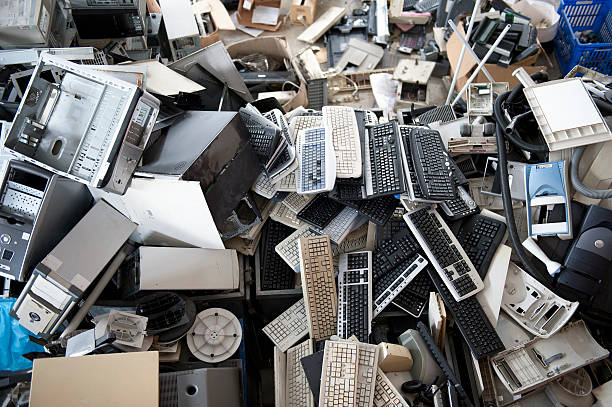
Comprehensive recycling providers accept a wide variety of business hardware, including rack-mounted and blade servers, corporate desktop towers, laptops, storage arrays, network switches, routers, uninterrupted power supplies (UPS), and modular components like memory and CPUs.
How do recycling providers verify that proprietary business data is completely destroyed?
Certified providers use automated software tools to perform multi-pass overwrites conforming to NIST SP 800-88 Rev. 1 standards. For storage drives that fail electronic wiping or are physically damaged, industrial shredders destroy the platters or solid-state chips. The provider then issues an itemized Certificate of Data Destruction containing each drive’s unique serial number.
Can our business earn money back from decommissioned IT equipment?
Yes. Many retired enterprise assets, particularly working server CPUs, power supplies, high-density DRAM modules, and recent laptop models, retain considerable secondary market value. An experienced asset recovery partner tests, cleans, and remarkets viable components, returning capital to your organization to offset refresh costs.
What is the difference between simple e-waste disposal and certified ITAD?
Simple e-waste disposal generally involves picking up old hardware and shredding it for raw commodity scrap. Certified IT Asset Disposition (ITAD) is a comprehensive enterprise process that includes serialized chain-of-custody tracking, certified data destruction, component grading, remarketing for maximum value recovery, and zero-landfill material recycling.
How should our company prepare hardware before the recycling partner arrives?
To prepare your equipment, compile an asset inventory list, remove all cable harnesses and mounting rails, securely wipe system configurations from management controllers, and stage the hardware in a secure, accessible location. If removing memory modules or drives, pack them in anti-static trays or shielding bags to prevent transit damage.