
Enterprise technology refreshes represent massive strategic undertakings. Whether your organization is deploying AI-optimized compute nodes, migrating legacy bare-metal infrastructure to high-density hybrid clouds, or transitioning entire employee fleets to contemporary client platforms, handling retired hardware is a critical operational responsibility. Decommissioning thousands of servers, storage arrays, network switches, and workstation terminals involves far more than simply disconnecting cables and clearing rack space. Without structured IT asset recycling services, enterprises risk catastrophic data breaches, non-compliance penalties, and significant asset depreciation.
At Ram Exchange, we support Chief Information Officers (CIOs), procurement directors, and infrastructure teams in executing secure, value-accretive technology refresh initiatives. Enterprise hardware retirement demands a balance of data sanitization, chain-of-custody tracking, environmental stewardship, and capital recovery. Choosing an unqualified partner can compromise corporate security postures and lead to costly compliance infractions.
This comprehensive guide delivers an operational framework for managing enterprise hardware refreshes responsibly, ensuring that your organization safeguards data, upholds environmental mandates, and recovers maximum financial value from retired IT equipment.
The Strategic Importance of Responsible Asset Retirement
Every hardware refresh generates secondary challenges around security, legal compliance, and environmental responsibility. Leaving retired IT assets unmanaged in regional storage closets or warehouse pallets creates silent operational vulnerabilities.
From a regulatory perspective, corporate liability does not terminate when a server powers down. Frameworks such as HIPAA, GDPR, Sarbanes-Oxley, and state-level electronic waste mandates require documented, verifiable disposition trails. Improper disposal of storage drives or hardware containing embedded serial logs can result in severe financial penalties and reputational damage.
From an environmental perspective, enterprise electronics represent an urgent global challenge. Official research published in the Global E-waste Monitor by the United Nations Institute for Training and Research highlights that global electronic waste reached a record 62 billion kilograms in a single year, yet only 22.3 percent was documented as formally collected and recycled in an environmentally sound manner. The report also notes that documented recycling avoided 900 million metric tons of primary ore extraction. Establishing formal recycling workflows ensures that your enterprise hardware does not contribute to undocumented landfill streams.
Core Components of Enterprise IT Asset Recycling Services
Comprehensive IT Asset Disposition (ITAD) programs integrate distinct technical disciplines to manage end-of-life hardware safely:
1. Certified Data Sanitization and Physical Destruction
Data sanitization forms the foundation of any hardware disposition program. Storage media, including NVMe drives, SAS HDDs, SATA SSDs, and flash controller cards, must undergo cryptographic erasure or physical destruction compliant with NIST SP 800-88 Rev. 1 guidelines. Non-functional storage units should undergo mechanical degaussing and precision shredding to guarantee irreversible data eradication.
2. Detailed Chain-of-Custody Tracking
From the moment hardware is unmounted from server racks to its arrival at a processing facility, every device must be accounted for. Professional recycling services deploy serialized asset tagging, tamper-evident transport containers, GPS-monitored freight, and strict sign-off protocols to maintain an unbroken audit trail.
3. Component Harvesting and Value Recovery
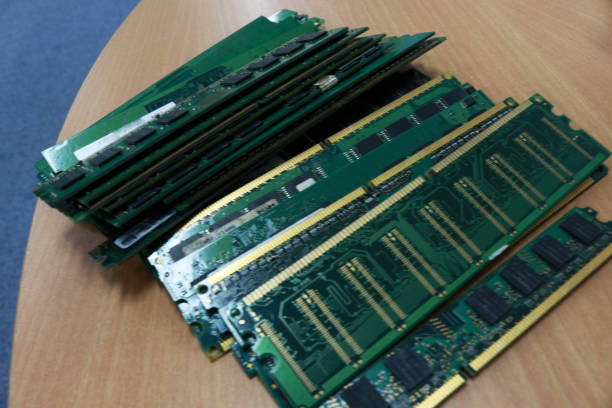
Not all retired hardware belongs in a shredder. Many high-value sub-components, such as CPUs, networking transceivers, and high-density DRAM modules, retain substantial utility in secondary markets. Sourcing certified products from verified distributors like Ram Exchange allows organizations to maintain live clusters, while harvesting functioning components from retired nodes unlocks capital to offset refresh costs.
4. Zero-Landfill Material Reclamation
Hardware that reaches true end-of-life must undergo automated mechanical separation to recover raw materials, including copper, aluminum, steel, and gold. Certified downstream refiners ensure that hazardous elements such as leaded glass, flame retardants, and lithium-ion batteries are treated according to rigorous environmental protocols.
Evaluating Disposition Pathways: Resale, Reuse, or Material Recycling
Enterprise technology refreshes yield diverse hardware assets. Categorizing hardware into distinct disposition pathways maximizes financial return while ensuring full regulatory compliance:
| Disposition Strategy | Eligible Hardware Profile | Security and Processing Protocol | Primary Enterprise Outcome |
| Direct Remarketing / Resale | Modern server chassis, high-capacity DDR4/DDR5 modules, clean client notebooks. | Full data sanitization, cosmetic grading, in-chassis stress testing. | Maximum capital recovery to offset new equipment capital expenditures. |
| Component Harvesting | Obsolete bare-metal servers containing viable processors, DRAM, or power supplies. | Component-level testing, de-manufacturing, inventory sorting. | Creation of internal spare parts pools or modular secondary sales. |
| Donation / Redeployment | Mid-tier workstations, desktop displays, and basic networking switches. | Certified data wipe, operating system re-imaging, asset tag removal. | Corporate social responsibility initiatives and educational donations. |
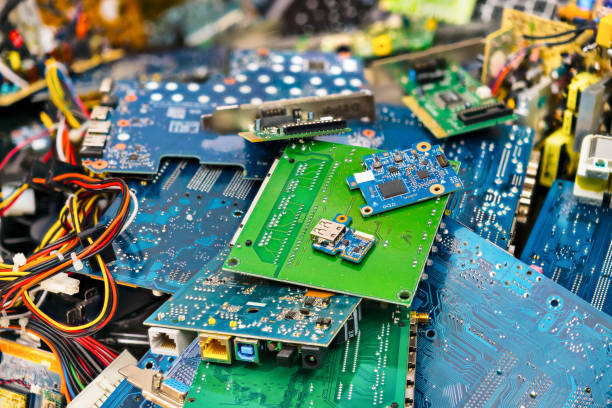
| Material Recycling | Damaged motherboards, obsolete legacy chips, sheared PCBs, and unreadable drives. | Mechanical shredding, optical sorting, certified smelting reclamation. | Complete e-waste compliance and zero-landfill documentation. |
The Technology Refresh Recycling Workflow
A successful enterprise technology refresh project follows a structured lifecycle to maintain accountability from project launch to final reporting:
- Pre-Project Asset Discovery and Manifesting: Generate a detailed inventory list documenting serial numbers, asset tags, hardware generations, form factors, and physical locations.
- On-Site Secure Logistics: Decommission hardware using electrostatic discharge (ESD) safeguards, pack equipment in dedicated JEDEC trays or padded freight containers, and seal transport vehicles with serialized security locks.
- Intake Audit and Reconciliation: Technicians at the processing facility scan and log each unit against your shipping manifest, flagging any discrepancies immediately.
- Sanitization and Diagnostic Testing: Memory, processors, and storage drives pass through automated diagnostic fixtures and certified data wipe algorithms.
- Settlement and Compliance Certification: Receive comprehensive Certificates of Data Destruction and Certificates of Recycling, alongside itemized settlement reporting for remarketed assets.
Operational studies from the U.S. Environmental Protection Agency reveal that commercial recycling programs capture millions of tons of durable electronic products annually, keeping toxic heavy metals out of municipal waste facilities while recovering vital engineering plastics and precious metals. Adhering to structured refresh workflows ensures that your enterprise captures both economic and environmental dividends.
Best Practices for CIOs and IT Procurement Teams
To ensure that your next enterprise technology refresh runs smoothly, implement these operational best practices across your organization:
- Integrate ITAD Planning into Initial Procurement: Do not wait until replacement servers land on your loading dock to determine how to retire legacy racks. Outline disposition logistics, data sanitization standards, and remarketing goals during initial project scoping.
- Segregate High-Value Components: High-density enterprise DRAM and high-tier server CPUs retain significant liquidity. Work with your on-site engineering team to pull and pack memory into anti-static blister trays rather than shipping loose chassis where components can suffer vibration damage.
- Insist on Serialized Reporting: Avoid vendors that provide vague, bulk-weight disposal receipts. Demand serialized audit ledgers that tie every individual storage drive, motherboard, and blade server back to internal corporate asset tags.
Maximize Refresh Value with Ram Exchange
Executing a large-scale enterprise technology refresh requires an experienced hardware lifecycle partner. Operating from Silicon Valley since 2006, Ram Exchange brings over 18 years of technical expertise to enterprise DRAM supply and IT Asset Disposition (ITAD).
- Comprehensive Value Recovery: We leverage our extensive distribution channels to deliver top-market value for surplus memory, processors, and server components.
- Certified Lifecycle Management: Our specialized processing facilities handle certified data destruction, serialized audit reporting, and environmentally sound material recycling in full compliance with e-waste guidelines.
- Streamlined Enterprise Sourcing: Whether your project requires sourcing hard-to-find legacy memory or upgrading active clusters, we provide reliable, OEM-grade solutions.
- Turn Surplus Hardware into Capital: When your enterprise is ready to retire older compute nodes or corporate client fleets, you can sell to us to monetize decommissioned inventory, lower project overhead, and ensure responsible hardware disposition.
Secure Your Enterprise Technology Refresh Today
Selecting dedicated IT asset recycling services allows your organization to execute complex technology migrations with complete assurance. By prioritizing NIST-compliant data sanitization, maintaining unbroken chains of custody, and working with verified disposition specialists, enterprise leaders can protect proprietary data, meet corporate sustainability objectives, and capture maximum financial returns from retired hardware.
If your organization is planning an upcoming hardware refresh or has decommissioned assets ready for valuation, contact our enterprise disposition specialists at Ram Exchange today to receive an itemized proposal and logistical consultation.
Frequently Asked Questions
What certifications should enterprise IT teams look for in a recycling partner?
Enterprise IT leaders should look for partners holding recognized third-party environmental and security accreditations, such as R2 (Responsible Recycling) or e-Stewards certification, alongside ISO 9001 (Quality Management), ISO 14001 (Environmental Management), and ISO 45001 (Occupational Health and Safety). These standards guarantee that hardware is processed ethically and securely.
How do IT asset recycling services handle proprietary corporate data?
Reputable disposition providers follow NIST SP 800-88 Rev. 1 media sanitization standards. Storage media undergoes multi-pass software overwriting or physical destruction via industrial shredders. After processing, the provider issues a tamper-proof Certificate of Data Destruction documenting the serial number, method of erasure, and technician verification.
Can our company monetize surplus hardware during a technology refresh?
Yes. Many decommissioned enterprise assets, particularly server CPUs, motherboards, and high-density memory modules, retain strong market value. An experienced ITAD partner evaluates your inventory, harvests viable components, and remarkets them to provide capital credits that directly offset the cost of your refresh project.
What is the difference between electronics recycling and IT asset disposition (ITAD)?
Electronics recycling primarily focuses on shredding end-of-life hardware to recover raw physical commodities like aluminum, copper, and plastics. ITAD is a broader enterprise lifecycle discipline that encompasses serialized tracking, regulatory compliance, data sanitization, hardware repair, component harvesting, and financial remarketing alongside responsible material recycling.
How should enterprise server racks be prepared prior to disposition pickup?
Before transport, IT teams should backup all virtual environments, migrate active workloads, remove cable harnesses, unmount rail kits, and log all device serial numbers. Storage drives designated for physical shredding should be inventoried separately, and modular components such as memory and PCIe cards should remain securely latched inside closed chassis to prevent transit damage.