Modern organizations depend on reliable IT infrastructure to keep applications, databases, and digital services running without interruption. As enterprise workloads continue to grow, memory has become one of the most important components of every data center. It directly influences server performance, virtualization efficiency, and application responsiveness. Investing in dependable data center memory solutions helps businesses reduce downtime, improve operational stability, and support long-term business continuity. By choosing enterprise-grade memory, organizations can strengthen their infrastructure while preparing for future technology demands.
Why Is Memory Critical for High Availability in Modern Data Centers?
High availability means systems remain operational even as workloads increase or hardware resources are heavily utilized. Memory serves as the foundation for processing active workloads quickly and efficiently, allowing servers to respond without unnecessary delays. When enterprise systems have sufficient and properly configured memory, they can support continuous business operations while minimizing the risk of service interruptions.
Supporting Always-On Business Operations
Modern data centers operate around the clock, supporting applications that require constant availability. Enterprise memory enables servers to process multiple requests simultaneously while maintaining consistent performance. By providing fast access to frequently used data, memory helps organizations deliver reliable digital services without sacrificing speed or stability.
Reducing Performance Bottlenecks Across Enterprise Workloads
As businesses expand, workloads become more demanding because of virtualization, cloud computing, analytics, and database applications. Insufficient memory forces systems to rely more heavily on storage devices, increasing latency and slowing overall performance. Proper memory capacity reduces bottlenecks, allowing enterprise workloads to run efficiently while maintaining high availability across the entire infrastructure.
What Are Data Center Memory Solutions?
Data center memory solutions consist of enterprise-grade memory modules designed specifically for demanding server environments. Unlike consumer memory, enterprise memory is engineered for continuous operation, greater reliability, and compatibility with business-critical systems. Selecting the right memory infrastructure ensures servers can handle evolving workloads while maintaining stability and performance over time.
Understanding Enterprise Memory Infrastructure
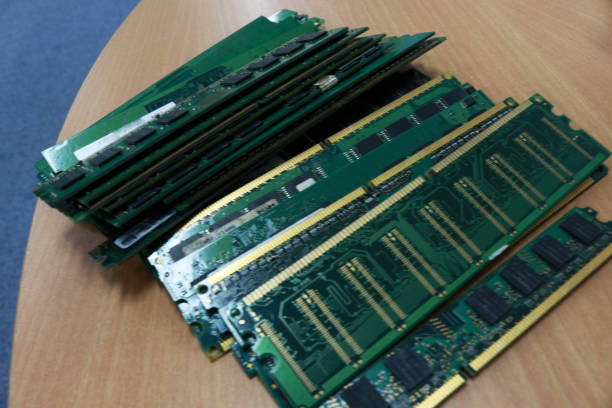
Enterprise memory infrastructure includes high-performance DRAM modules that work alongside processors to manage active data efficiently. These memory solutions support virtualization platforms, enterprise databases, cloud environments, and large-scale business applications. Properly designed memory infrastructure allows organizations to maximize server utilization while improving operational efficiency across multiple workloads.
The Role of Memory in Server Performance and Reliability
Memory plays a critical role in determining how efficiently servers process information. Sufficient RAM allows processors to access active data quickly, reducing delays caused by repeated storage access. Businesses that deploy certified components such as Cisco RAM memory can improve compatibility with enterprise server platforms while supporting dependable performance, workload consistency, and long-term infrastructure reliability.
How Does Enterprise Memory Infrastructure Improve Business Continuity?
Business continuity depends on infrastructure that remains stable during changing workloads, unexpected demand, and ongoing operational requirements. Enterprise memory contributes to this stability by providing fast and reliable access to data, enabling servers to continue processing workloads efficiently. A well-planned memory strategy supports disaster recovery objectives while reducing operational risks associated with resource limitations.
Maintaining Stable Performance During Peak Workloads
Enterprise workloads often fluctuate throughout the day as applications process changing levels of activity. Adequate memory allows servers to absorb these workload increases without experiencing significant slowdowns. Maintaining consistent performance during peak demand helps organizations preserve productivity and deliver uninterrupted digital services.
Supporting Virtualization and Mission-Critical Applications
Virtualized environments require substantial memory resources because multiple virtual machines operate simultaneously on shared hardware. Enterprise memory ensures sufficient resources remain available for each workload, reducing resource contention and improving application responsiveness. Mission-critical applications also benefit from consistent memory performance that supports continuous processing and operational reliability.
Reducing the Risk of Unexpected System Downtime
Memory limitations can contribute to application instability, reduced performance, and hardware-related interruptions. Enterprise-grade memory undergoes rigorous testing to deliver reliable operation under demanding conditions. By deploying certified memory solutions and planning future capacity requirements, organizations can reduce downtime risks while strengthening business continuity strategies.
Why Is Server Memory Optimization Essential for Data Centers?
Installing enterprise memory alone is not enough to achieve optimal performance. Organizations must also optimize memory configurations to ensure servers utilize available resources efficiently. Memory optimization improves workload distribution, increases hardware utilization, and allows infrastructure to perform consistently as business demands continue to evolve.
Maximizing Server Performance and Resource Utilization
Balanced memory configurations enable processors to operate more efficiently by providing sufficient resources for concurrent workloads. Proper optimization allows servers to handle larger workloads while maximizing existing hardware investments. Organizations often achieve significant performance improvements through strategic memory upgrades rather than replacing complete server systems.
Eliminating Memory Bottlenecks Before They Affect Operations
Memory bottlenecks frequently develop gradually as workloads expand beyond original infrastructure planning. Monitoring memory utilization helps IT teams identify limitations before they begin affecting application performance. Proactive upgrades reduce operational disruptions while maintaining consistent service quality across enterprise environments.
Improving Application Response Times and User Experience
Applications perform more efficiently when they have adequate memory available for active processing. Faster response times improve productivity, support better customer experiences, and reduce delays across enterprise systems. Memory optimization also contributes to more predictable application performance during periods of increased demand.
How Does Scalable RAM Architecture Support Business Growth?
Business growth requires infrastructure capable of expanding without unnecessary complexity or excessive costs. Scalable RAM architecture enables organizations to increase server capacity gradually while maintaining compatibility with existing systems. A flexible memory strategy helps businesses adapt to changing workloads while protecting previous infrastructure investments.
Expanding Capacity Without Replacing Existing Infrastructure
Many enterprise servers support additional memory expansion, allowing organizations to increase capacity without purchasing entirely new hardware. This approach extends infrastructure lifespan while providing additional resources for virtualization, databases, and business applications. Strategic memory upgrades help organizations improve return on technology investments while minimizing operational disruption.
Supporting Hybrid Cloud and Future Technology Requirements
Hybrid cloud environments require infrastructure capable of supporting dynamic workloads across on-premises and cloud platforms. Scalable memory enables organizations to allocate resources efficiently while preparing for emerging technologies such as artificial intelligence, advanced analytics, and high-performance computing. Flexible memory architecture ensures infrastructure remains adaptable as technology requirements continue to evolve.
Planning Memory Upgrades for Long-Term Scalability
Effective memory planning begins with understanding current utilization and forecasting future business requirements. Organizations should evaluate workload growth, virtualization expansion, and infrastructure modernization when developing upgrade strategies. A proactive approach to memory scalability helps reduce future upgrade costs while ensuring enterprise systems remain reliable, efficient, and ready to support long-term business objectives.
How Do Data Center Memory Solutions Strengthen Data Center Resilience?
Data center resilience refers to the ability of IT infrastructure to continue operating despite hardware issues, workload fluctuations, or unexpected failures. Reliable enterprise memory contributes significantly to resilient infrastructure by maintaining system stability, supporting failover strategies, and ensuring critical applications remain available. Organizations that prioritize high-quality memory strengthen their ability to maintain uninterrupted operations while reducing operational risks.
Improving Fault Tolerance With Enterprise-Grade Memory
Enterprise-grade memory is engineered to operate continuously under demanding workloads while supporting advanced error detection and correction technologies. These capabilities help identify and correct memory-related errors before they impact system performance. Reliable memory reduces hardware failures and contributes to stronger infrastructure capable of supporting business-critical operations.
Supporting Redundancy and High Availability Strategies
High availability depends on multiple layers of redundancy working together effectively. Reliable memory complements clustered servers, failover systems, and redundant storage by ensuring workloads continue operating efficiently. Proper memory configurations support balanced resource allocation across infrastructure, helping organizations maintain consistent performance during maintenance activities or unexpected hardware events.
Maintaining Operational Continuity During Hardware Failures
Although hardware failures cannot always be prevented, organizations can minimize their impact by deploying certified memory solutions that support stable server performance. Businesses relying on Dell server memory benefit from memory designed for enterprise platforms, helping improve compatibility, system stability, and long-term operational continuity across critical workloads.
What Should IT Leaders Consider When Selecting Enterprise Memory?
Selecting enterprise memory involves more than simply increasing capacity. IT leaders should evaluate compatibility, workload demands, long-term scalability, and vendor reliability before making purchasing decisions. A strategic approach helps maximize infrastructure performance while reducing the risk of deployment issues or future upgrade limitations.
Compatibility With Existing Server Platforms
Enterprise memory should always be compatible with existing server hardware, processors, and motherboard specifications. Verifying supported memory types, speeds, capacities, and configurations helps ensure reliable operation while preventing compatibility problems that may reduce performance or system stability.
Capacity, Performance, and Workload Requirements
Different enterprise workloads require different memory configurations. Virtualization hosts, database servers, cloud infrastructure, and analytics platforms all place unique demands on available memory resources. Understanding workload requirements allows organizations to select memory that delivers optimal performance while supporting future business growth.
Certified Testing, Reliability, and Long-Term Support
Certified enterprise memory undergoes extensive validation to ensure consistent operation under continuous workloads. Choosing memory from a trusted supplier provides additional confidence through technical support, compatibility guidance, and long-term product availability, helping organizations maintain stable infrastructure throughout its lifecycle.
What Common Memory Planning Mistakes Can Reduce Data Center Reliability?
Effective memory planning is essential for maintaining reliable server performance. Poor planning decisions may limit scalability, reduce efficiency, or introduce unnecessary operational risks. Avoiding common mistakes helps organizations build stronger infrastructure capable of supporting future business requirements.
Underestimating Future Capacity Requirements
Planning memory upgrades based only on current workloads often results in infrastructure reaching capacity sooner than expected. Organizations should consider projected growth, virtualization expansion, and increasing application demands when determining future memory requirements.
Mixing Incompatible Memory Configurations
Using memory modules with different speeds, capacities, or specifications can negatively affect system performance and stability. Standardizing memory configurations improves compatibility while simplifying future maintenance and upgrades.
Prioritizing Cost Over Reliability and Quality
Selecting lower-cost memory without considering enterprise reliability can increase the likelihood of failures, compatibility issues, and operational disruptions. Investing in certified enterprise memory provides greater long-term value through improved stability and reduced maintenance requirements.
Why Choose RAM Exchange for Data Center Memory Solutions?
Choosing the right technology partner is just as important as selecting the right hardware. RAM Exchange provides enterprise organizations with reliable memory solutions backed by extensive industry expertise, certified products, and dedicated technical assistance. Businesses can confidently deploy memory upgrades knowing they are supported throughout the entire lifecycle of their infrastructure.
Trusted DRAM and ITAD Partner Serving Enterprise Businesses Since 2006
RAM Exchange has supported enterprise customers since 2006 by delivering dependable DRAM solutions and comprehensive IT asset disposition services. Its experience across diverse industries enables businesses to source reliable hardware while extending the value of existing infrastructure investments.
Certified, Tested Enterprise Memory for Current and Legacy Platforms
RAM Exchange supplies certified and thoroughly tested enterprise memory designed for both modern and legacy server platforms. This broad compatibility allows organizations to upgrade infrastructure confidently while maintaining consistent performance across mixed technology environments.
Global Sourcing, Custom Memory Solutions, and Dedicated Technical Support
Every enterprise infrastructure has unique requirements. RAM Exchange offers global sourcing capabilities, customized memory solutions, and knowledgeable technical support to help organizations identify the right products for their workloads while simplifying deployment and long-term infrastructure management.
Conclusion
Enterprise memory is a fundamental component of high-performing data center infrastructure. It supports high availability, improves business continuity, enhances virtualization performance, and enables organizations to scale efficiently as technology requirements evolve. By investing in certified, enterprise-grade memory solutions, businesses can maximize infrastructure reliability, reduce downtime risks, and improve long-term operational performance.
Ready to Upgrade Today? Contact to connect with the experts and find the right enterprise memory solution for your business.
Frequently Asked Questions About Data Center Memory Solutions
How Much Memory Does an Enterprise Server Need?
Memory requirements depend on workload type, virtualization density, database activity, and future expansion plans. Organizations should evaluate current utilization and anticipated growth before determining the appropriate memory capacity.
When Should Businesses Upgrade Their Data Center Memory?
Businesses should consider memory upgrades when applications begin experiencing slower performance, virtualization workloads increase, resource utilization remains consistently high, or infrastructure expansion is planned.
How Does Memory Affect High Availability and Business Continuity?
Enterprise memory improves application responsiveness, reduces resource bottlenecks, supports virtualization, and helps maintain stable server performance. These improvements contribute directly to higher availability and stronger business continuity strategies.
Can Enterprise Memory Improve Virtualization Performance?
Yes. Increasing available enterprise memory allows virtual machines to access sufficient resources, improving workload efficiency while reducing resource contention between multiple virtual environments.
Why Is Certified Enterprise Memory Recommended for Data Centers?
Certified enterprise memory undergoes extensive compatibility and reliability testing, making it well suited for continuous operation, mission-critical applications, and long-term infrastructure stability.