Enterprise virtualization environments require powerful and reliable memory infrastructure to maintain application performance, workload efficiency, and system stability. As businesses continue adopting cloud platforms, advanced applications, and data-intensive workloads, traditional memory configurations may no longer provide the performance required for modern IT operations. Upgrading to DDR5 memory modules allows organizations to improve memory bandwidth, increase capacity, and build infrastructure capable of supporting demanding virtualization environments. Understanding DDR5 capabilities before upgrading helps IT teams make informed decisions that align with long-term performance and scalability goals.
Why Is Memory Performance Important for Enterprise Virtualization?
Memory performance plays a crucial role in virtualization because multiple workloads often share the same physical server resources. Virtual machines depend on available RAM capacity and speed to operate efficiently, making memory one of the most important factors affecting overall virtualization performance. Proper memory planning helps organizations reduce bottlenecks, improve resource allocation, and maintain consistent application responsiveness.
Understanding the Role of RAM in Virtualized Environments
Virtualized environments rely on RAM to provide resources for multiple operating systems, applications, and workloads running simultaneously. When sufficient memory is available, virtual machines can access required data quickly and maintain stable performance. Limited memory capacity can create resource competition between virtual machines, reducing efficiency and increasing processing delays.
How Memory Capacity and Speed Impact Virtual Machine Performance
Memory capacity determines how many workloads a server can efficiently support, while memory speed affects how quickly data can be accessed and processed. Higher capacity allows organizations to run more virtual machines, while improved speed enhances workload responsiveness. A balanced memory configuration ensures virtualization platforms operate efficiently without unnecessary performance limitations.
What Are DDR5 Memory Modules?
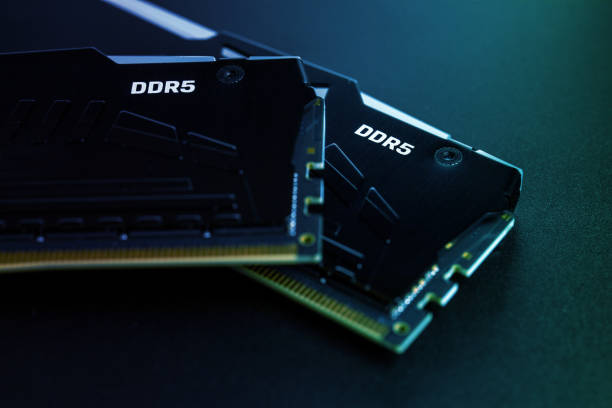
DDR5 memory modules represent the latest advancement in enterprise memory technology, offering improvements in speed, efficiency, and capacity compared with previous generations. Designed to support modern computing requirements, DDR5 provides organizations with the resources needed for virtualization, cloud computing, artificial intelligence, and other demanding workloads.
Understanding the Next Generation of Enterprise Memory Technology
DDR5 introduces improved memory architecture designed to deliver higher bandwidth and better power efficiency. Enterprise environments benefit from these improvements because servers can process larger amounts of data while maintaining consistent performance. DDR5 technology helps organizations prepare infrastructure for increasing workload demands and future technology adoption.
Key Differences Between DDR5 and Previous Memory Generations
Compared with earlier memory generations, DDR5 provides increased bandwidth, improved efficiency, and support for higher memory densities. These improvements allow enterprise servers to manage more complex workloads while reducing limitations caused by insufficient memory resources. DDR5 also supports advanced server platforms designed for next-generation computing requirements.
How Does DDR5 Memory Improve Virtualization Performance?
DDR5 memory improves virtualization performance by providing greater bandwidth, increased capacity options, and improved resource efficiency. These advantages help virtualized environments handle larger workloads while maintaining stable application performance. Organizations upgrading their memory infrastructure can achieve better workload distribution and improved server efficiency.
Supporting Higher Workload Demands With Increased Memory Bandwidth
Higher memory bandwidth allows servers to transfer data more efficiently between processors and memory. This improvement benefits virtualization environments where multiple workloads require simultaneous access to memory resources. Increased bandwidth helps reduce processing delays and supports faster execution of enterprise applications.
Improving Multi-VM Performance and Resource Allocation
Virtualization environments often require servers to support multiple virtual machines with different resource requirements. DDR5 memory provides greater capacity and efficiency, allowing IT teams to allocate resources more effectively. Better memory availability improves virtual machine stability while reducing competition for shared resources.
Reducing Memory Bottlenecks in Enterprise Applications
Memory bottlenecks can negatively impact application performance by limiting how quickly workloads access required data. DDR5 helps reduce these limitations by providing faster data access and greater capacity. This allows enterprise applications to operate more efficiently while supporting consistent performance across complex IT environments.
What Benefits Does Enterprise DDR5 RAM Provide for Modern Data Centers?
Modern data centers require infrastructure that can support continuous growth, advanced workloads, and increasing data processing requirements. Enterprise DDR5 RAM provides improvements that help organizations increase efficiency, improve scalability, and maintain reliable operations. By adopting advanced memory technology, businesses can create stronger foundations for future infrastructure needs.
Increased Memory Capacity for Growing Workloads
Enterprise workloads continue to expand due to virtualization, analytics, cloud services, and digital transformation initiatives. DDR5 memory supports higher capacity configurations, allowing servers to manage larger workloads without reducing performance. Increased memory availability enables organizations to scale operations while maintaining efficient resource utilization.
Improved Efficiency for High-Performance Computing Environments
High-performance computing environments require fast and reliable memory resources to process complex workloads efficiently. DDR5 improves memory performance through increased bandwidth and optimized architecture, allowing systems to handle demanding applications with greater efficiency.
Supporting Scalable Enterprise Infrastructure
Scalable infrastructure allows organizations to adapt quickly as technology requirements change. DDR5 memory provides flexibility by supporting future workload expansion, additional virtualization requirements, and evolving enterprise applications. This scalability helps businesses reduce infrastructure limitations while improving long-term planning.
What Should IT Teams Consider Before DDR5 Server RAM Upgrades?
Upgrading to DDR5 server RAM requires careful evaluation to ensure compatibility, performance improvements, and long-term value. Enterprise IT teams should analyze existing infrastructure, virtualization requirements, and future workload demands before selecting new memory modules. A well-planned upgrade strategy helps organizations avoid compatibility issues while ensuring the new memory infrastructure delivers measurable performance benefits.
Checking Server Compatibility and Platform Requirements
Before implementing DDR5 upgrades, IT teams must verify whether existing server platforms support DDR5 technology. Server architecture, processor compatibility, motherboard specifications, and supported memory configurations all influence upgrade success. Selecting compatible enterprise memory ensures stable performance and prevents issues caused by unsupported hardware combinations.
Evaluating Current and Future Virtualization Workloads
Understanding current virtualization requirements is essential when planning memory upgrades. IT teams should evaluate virtual machine density, application resource demands, and expected workload growth. This approach helps determine the appropriate memory capacity and configuration needed to support both present operations and future expansion.
Planning Memory Capacity Based on Business Growth
Memory planning should consider long-term business requirements rather than only immediate needs. As applications, databases, and virtual environments continue growing, additional memory capacity becomes necessary to maintain performance. Strategic DDR5 upgrades allow organizations to create scalable infrastructure capable of supporting evolving technology demands.
How Does DDR5 Support Next Generation Enterprise Workloads?
Enterprise workloads are becoming increasingly complex due to cloud adoption, artificial intelligence, advanced analytics, and high-performance applications. DDR5 memory provides the performance foundation required to support these technologies by improving bandwidth, capacity, and efficiency. Organizations that invest in next-generation memory infrastructure can better prepare their systems for future operational requirements.
Preparing Infrastructure for Cloud, AI, and Data-Intensive Applications
Modern applications require faster processing and greater memory availability to handle increasing volumes of data. DDR5 memory supports these demanding environments by providing improved bandwidth and higher capacity options. This enables servers to process intensive workloads more efficiently while maintaining reliable performance.
Supporting High Availability and Business Continuity
Reliable memory infrastructure contributes to high availability by reducing performance limitations and supporting consistent application operations. DDR5 helps enterprise systems maintain stability during demanding workloads by providing efficient data access and improved resource management. This supports business continuity strategies by reducing the impact of memory-related performance issues.
Improving Long-Term Infrastructure Scalability
Scalable infrastructure allows organizations to adapt as business requirements change. DDR5 memory provides additional flexibility by supporting higher capacity configurations and improved performance capabilities. This allows IT teams to expand infrastructure gradually while maintaining efficient resource utilization.
DDR5 vs DDR4: What Should Enterprise IT Teams Know?
Understanding the differences between DDR5 and DDR4 helps organizations determine whether an upgrade provides the right value for their infrastructure goals. While DDR4 continues to support many enterprise environments, DDR5 introduces improvements designed for modern workloads requiring greater speed, efficiency, and scalability.
Comparing Performance, Capacity, and Efficiency
DDR5 offers higher memory bandwidth, improved power efficiency, and increased capacity support compared with DDR4. These improvements allow enterprise servers to process workloads more effectively while supporting larger virtualization environments. Enhanced efficiency also helps organizations optimize resource usage across data center operations.
Understanding When Upgrading to DDR5 Makes Sense
DDR5 upgrades are most beneficial when existing memory infrastructure limits performance, scalability, or workload expansion. Organizations should evaluate application requirements, server compatibility, and future technology plans before transitioning to DDR5 platforms.
Balancing Upgrade Costs With Long-Term Benefits
Memory upgrades require investment, but organizations should consider long-term operational benefits when evaluating costs. Improved performance, reduced bottlenecks, and greater scalability can provide significant value over time. Selecting reliable enterprise memory helps maximize infrastructure efficiency while reducing future upgrade challenges.
What Common Mistakes Should Businesses Avoid During DDR5 Memory Upgrades?
Successful DDR5 upgrades require proper planning and technical evaluation. Mistakes during memory selection or installation can reduce expected performance improvements and create unnecessary infrastructure issues. Understanding common upgrade challenges helps organizations implement reliable memory solutions.
Installing Incompatible Memory Modules
Using unsupported DDR5 modules can result in system instability or reduced performance. IT teams should always verify server compatibility, supported memory specifications, and platform requirements before deployment. Compatible memory configurations ensure reliable operation and maximum performance.
Upgrading Without Assessing Workload Requirements
Installing additional memory without analyzing workload needs may result in inefficient resource allocation. Organizations should evaluate virtualization demands, application requirements, and future growth plans before selecting memory capacity.
Ignoring Memory Configuration and Server Specifications
Memory configuration plays an important role in achieving optimal server performance. Factors such as module placement, supported capacity, and server architecture should be considered during upgrades. Proper configuration ensures DDR5 memory delivers the expected performance improvements.
How Can RAM Exchange Help With DDR5 Memory Upgrades?
Choosing the right memory supplier is essential for successful enterprise upgrades. RAM Exchange provides organizations with tested memory solutions, technical expertise, and support across various enterprise platforms. Its experience helps IT teams identify suitable memory options while improving infrastructure reliability and scalability.
Providing Tested and Compatible Enterprise DDR5 RAM Solutions
RAM Exchange offers enterprise memory solutions designed for compatibility, reliability, and consistent performance. Tested memory products help organizations reduce deployment risks while ensuring their servers receive dependable upgrades.
Supporting Server Memory Upgrades Across Enterprise Platforms
Enterprise environments often include different server platforms with unique memory requirements. RAM Exchange supports a wide range of systems, including solutions such as Lenovo server memory modules designed to provide reliable performance and compatibility for enterprise infrastructure.
Helping IT Teams Optimize Memory Infrastructure for Future Growth
Effective memory planning requires technical understanding and long-term strategy. RAM Exchange helps organizations optimize memory configurations based on workload demands, infrastructure requirements, and future expansion plans. This guidance allows businesses to build scalable environments prepared for changing technology needs.
Conclusion
DDR5 memory modules provide enterprise IT teams with improved performance, higher capacity, and better scalability for modern virtualization environments. As workloads continue becoming more complex, upgrading memory infrastructure helps organizations reduce bottlenecks, improve application responsiveness, and support future technology requirements.
By selecting compatible and tested enterprise memory solutions, businesses can maximize server efficiency while creating a stronger foundation for long-term growth. Organizations looking to optimize their infrastructure can explore sell laptop memory modules solutions and trusted memory services to support efficient hardware lifecycle management.
Upgrade Your Memory Today with RAM Exchange Contact for expert guidance on enterprise DDR5 memory solutions.
Frequently Asked Questions About DDR5 Memory Modules
Is DDR5 RAM Better for Virtualization Than DDR4?
Yes, DDR5 RAM provides higher bandwidth, improved efficiency, and greater capacity support compared with DDR4. These improvements make DDR5 better suited for virtualization environments with demanding workloads and multiple virtual machines.
How Much DDR5 Memory Does an Enterprise Server Need?
The required DDR5 memory capacity depends on workload requirements, virtualization density, applications, databases, and future expansion plans. Organizations should evaluate current usage and projected growth before determining the appropriate capacity.
Can Existing Servers Be Upgraded With DDR5 Memory Modules?
Not all existing servers support DDR5 memory. IT teams must verify server platform compatibility, processor support, and motherboard specifications before upgrading.
Does DDR5 Improve Data Center Performance?
DDR5 can improve data center performance by increasing memory bandwidth, supporting higher capacities, and reducing resource limitations across demanding enterprise workloads.
Why Should Businesses Choose Enterprise DDR5 Memory?
Enterprise DDR5 memory is designed for reliability, compatibility, and continuous operation. It provides the performance and scalability required for modern servers, virtualization environments, and business-critical applications.